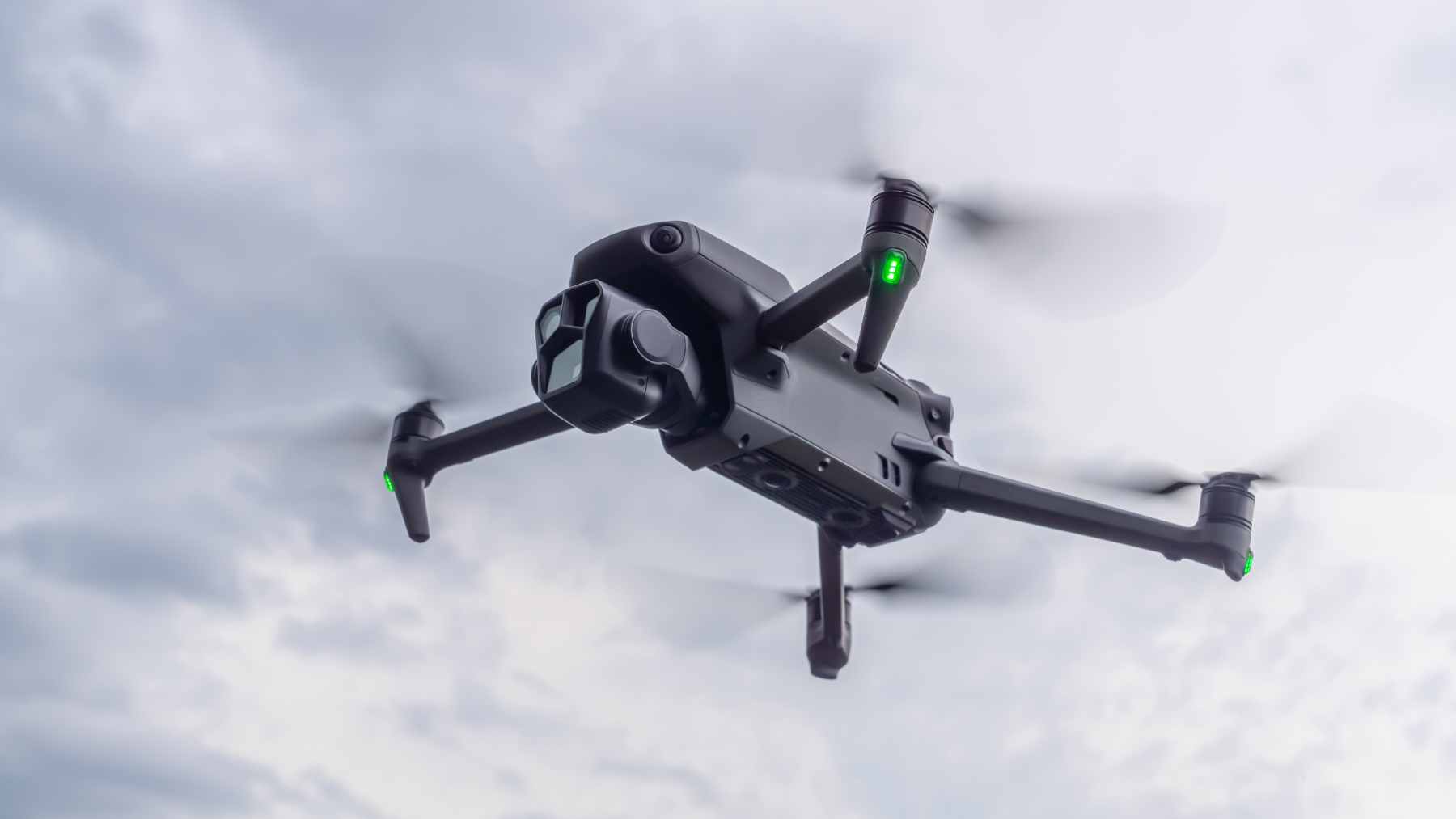
What if the biggest risk to a packed stadium no longer comes through the gate, but glides in from hundreds of yards away, the size of a backpack and almost silent in the sky? That is the scenario driving a new Pentagon guide that urges stadiums, utilities and other critical sites across the United States to rethink security for the drone age.
Low-cost barriers against small drones
Instead of only buying expensive anti-drone gadgets, the Joint Interagency Task Force 401 is telling local authorities to start with simple tools such as camouflage netting, temporary walls, overhead cables, and retractable roofs.
The idea is to make it harder for small unmanned aircraft to see crowds or key equipment, and harder for them to get close without being noticed.
The guidance, aimed in part at preparations for the 2026 FIFA World Cup, reflects a shift in how homeland defense is defined. Security is no longer just about who gets through the turnstiles.
It is also about what can be seen and struck from outside the fence, often from a mile or more away. Brig Gen Matt Ross, who leads JIATF 401, has stressed that places where Americans gather, including major stadiums, now sit inside that defense mission.
At the heart of the new playbook is a simple idea. First, harden key assets with roofs, overhead netting or tension wires that can snag or deflect hobby-style drones carrying cameras or small payloads.
Second, obscure what a drone can see by using tenting, scrims, visual clutter, decoys and military style camouflage so that critical generators or control rooms do not stand out in aerial video.
Third, push the security perimeter outward into parking lots and nearby streets, where officers can watch for operators with controllers instead of waiting for an aircraft to appear above the field.
If that sounds a bit basic compared with sci-fi laser systems, that is partly the point. The guide emphasizes steps that city police departments, stadium operators and even small utilities can afford, often by reusing gear they already own. Netting that protects fans from foul balls, for example, can also disrupt small drone flights.
Drone incursions around stadiums and airports
The concern is not theoretical. The National Football League reported that unauthorized drones around its stadiums jumped from only a few dozen incidents in 2018 to more than 2,800 in 2023, with some games halted while law enforcement searched for rogue pilots.
Federal officials say airports and other sensitive sites have also seen thousands of encounters, including cases where crewed aircraft had to change course to avoid small drones.
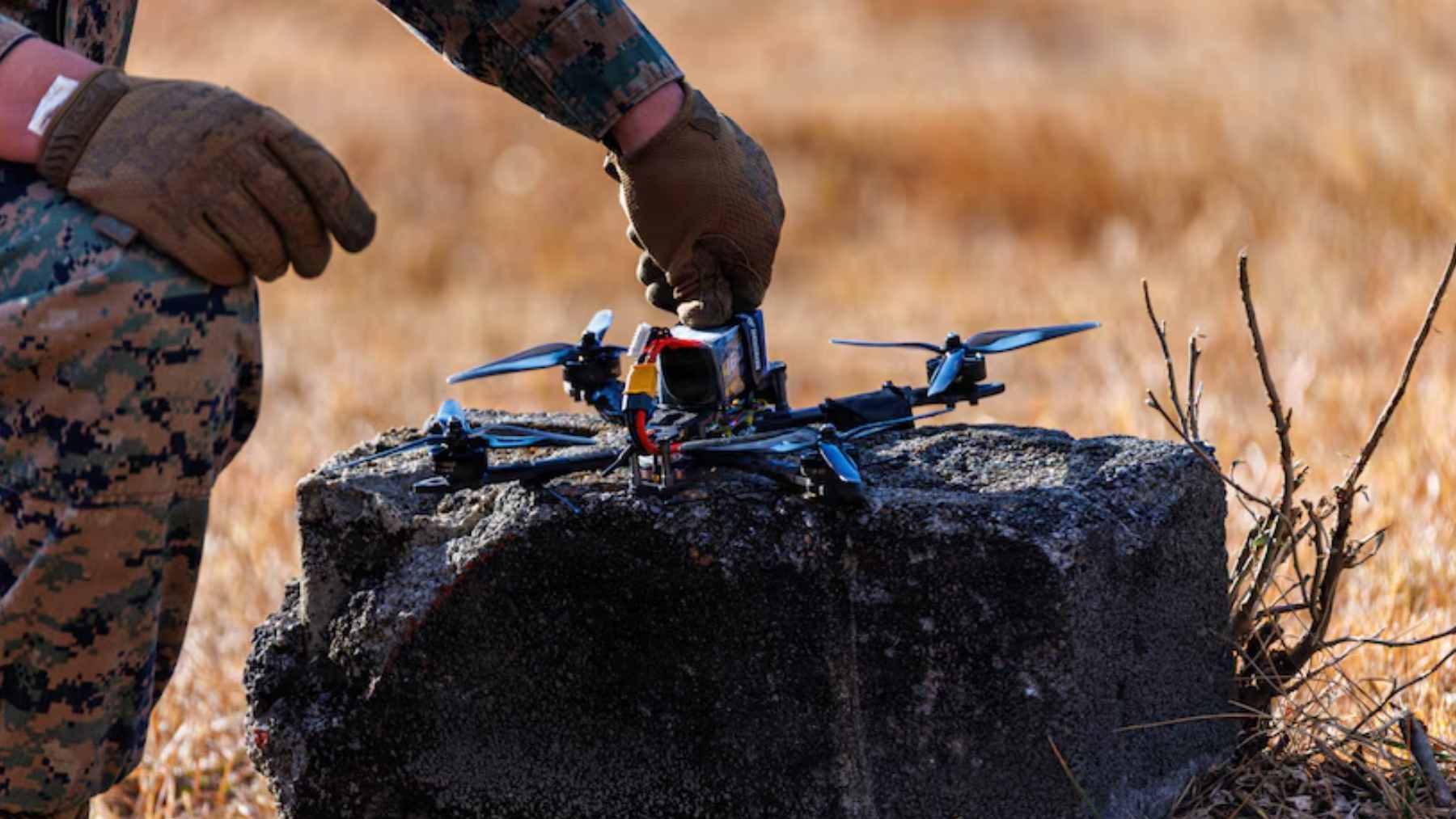
Recent conflicts, especially in Ukraine, have shown how cheap first-person-view drones can be turned into precision weapons against trenches, vehicles and fuel dumps. Security planners worry that the same tactics could be adapted to crowded fan zones, rail hubs or outdoor concerts if defenses do not keep up.
What new anti-drone security means for fans
For ordinary people, the changes may show up as subtle inconveniences. Walking to a big match or concert, fans might notice more security staff in outer parking lots, more temporary walls around generator yards, or odd looking cables strung high above open plazas. Lines to get in could be spread out instead of packed tightly in one place.
All of that is meant to give drone pilots fewer easy shots and less time to loiter unseen.
Physical defenses and the future of counter drone policy
Experts caution that low-tech barriers will not solve everything. Sensors and legal authority to detect and disable hostile drones still matter a great deal, and many of those tools remain tightly restricted. Yet, by the Pentagon’s own assessment, simple physical changes can already cut risk for many venues while longer-term technology and legal fixes catch up.
The official statement was published by the Department of Defense.