Along the coast of Cádiz, cranes and jackhammers at Base Naval de Rota are doing more than routine maintenance. Spain is reshaping one of its key naval hubs so it can host the new F-110 Bonifaz class frigates, a five-ship program worth about 4.3 billion euros that will gradually replace the aging Santa María class.
Smart ships need smart piers
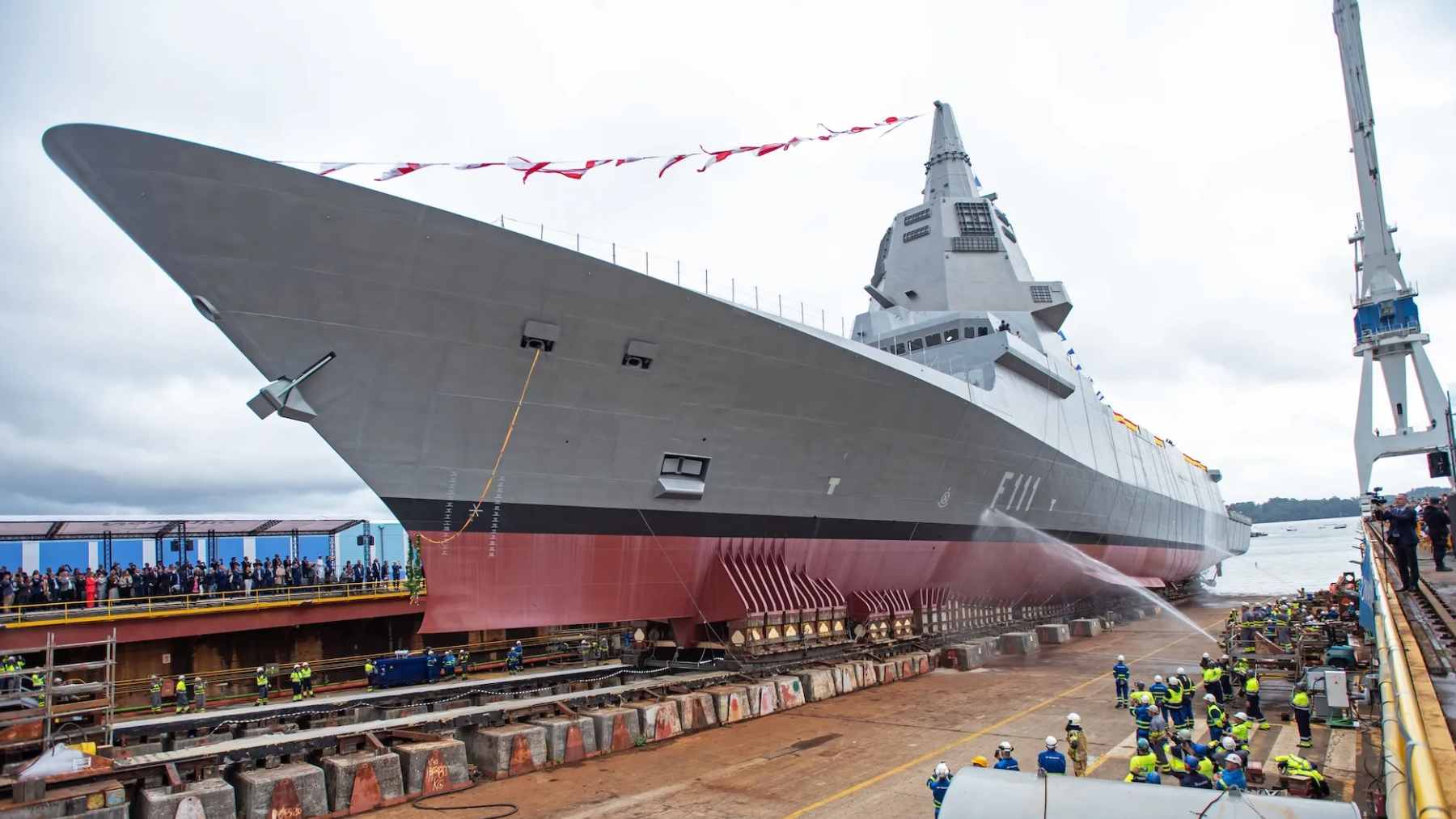
The first F-110, Bonifaz, was launched in Ferrol in September 2025 and is expected to enter service in the first half of 2028. These ships are not simple upgrades.
They carry the SPY 7 multifunction radar and a highly-automated combat system, and they are designed around a digital twin, a virtual replica that streams data from thousands of sensors to engineers on shore for real-time diagnostics and training.
In practical terms, that means the pier can no longer be just concrete, bollards and a power line. It needs buried galleries for cables and fiber, modern sewage and cooling water connections, and secure spaces where technicians can plug the ship into land-based networks without creating cyber weak points.
What is changing in Rota
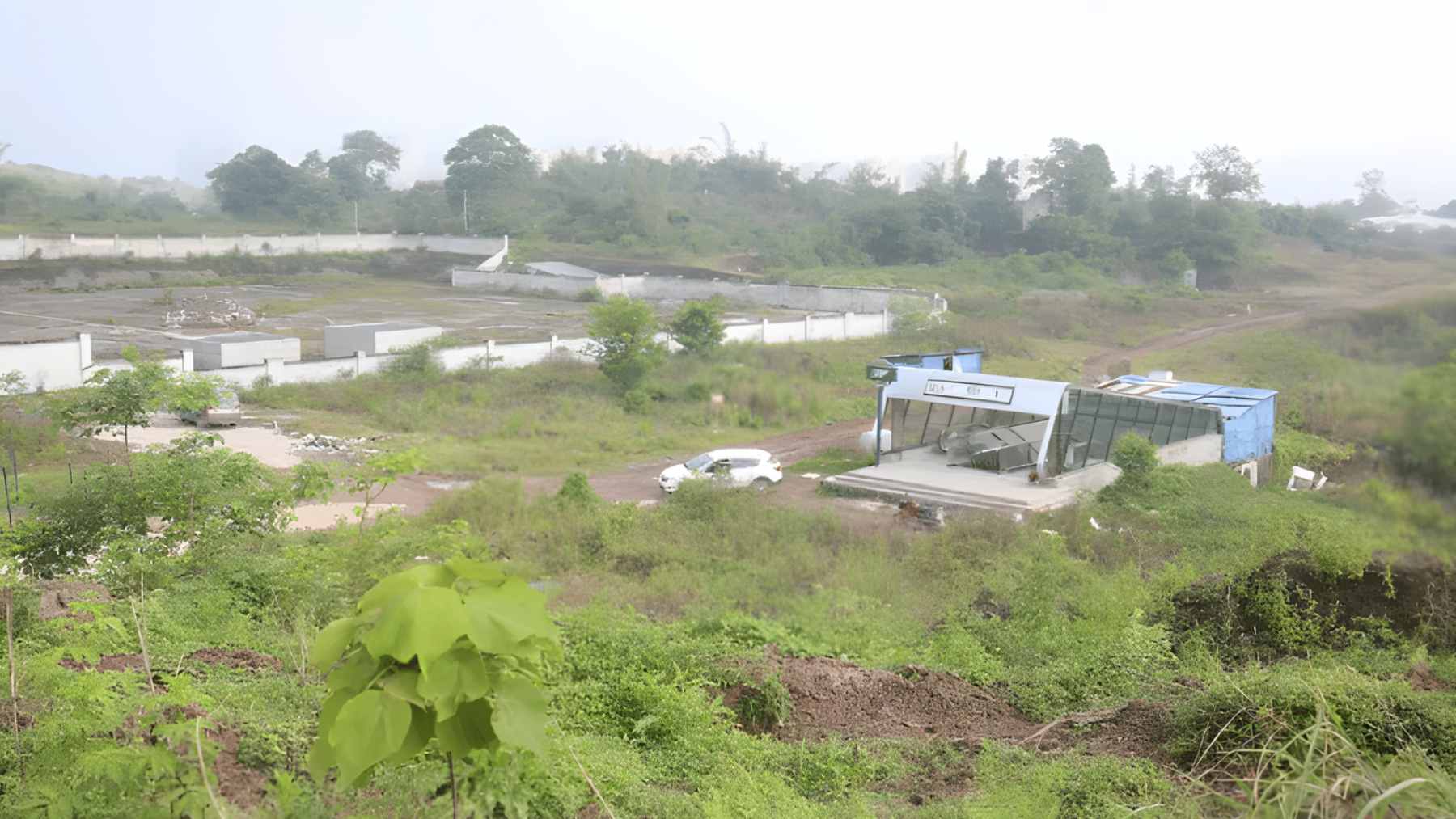
According to planning documents summarized by Infodefensa, the Spanish Navy has tendered a project worth about 673,000 euros to redesign the piers that will host the F-110s, with piers 2 and 4 already earmarked for the new frigates.
The design phase runs for eight months and includes new underground service galleries, upgraded shore power, improved waste water handling, fresh and salt water feeds, and dedicated buildings for maintenance support right at the pier edge.
Rota will not stop there. A separate urban planning contract awarded to engineering firm SENER looks at a much larger expansion on the inner side of the harbor, with an estimated cost of around 300 million euros and a construction schedule of about six years.
The goal is to almost double available berthing, enough for the new Spanish frigates and additional allied ships.
A local project with national stakes
For the Spanish Navy, the timing is tight. If all goes well, Bonifaz will join the fleet in 2028, followed by Roger de Lauria, Menéndez de Avilés, Luis de Córdoba and Barceló through the end of the decade.
Rota has to be ready before the first ship turns up asking for power, data and fuel, not after. That is why the construction calendar is being aligned with the milestones of the shipbuilding program.
The economic footprint is already visible in northern Spain. At the Ferrol yard of Navantia, the F-110 program supports roughly 5,000 workers on site and is expected to sustain about 3,000 direct and 6,000 indirect jobs each year across a network of some 500 Spanish companies.
Those numbers eventually ripple south, because a smart ship is only as useful as the base that can keep it running.
Why this base matters beyond Spain
Rota is not just a national facility. It also hosts United States Navy destroyers that form part of NATO ballistic missile defense in Europe, and the planned pier expansion is designed to handle both Spanish and allied vessels, including a sixth US destroyer expected around 2026.
At the end of the day, the upgrade turns the base into a shared platform for high end air defense and anti-submarine warfare in the Strait of Gibraltar and beyond.
For people in the region, the works may look like any other public project, another set of detours on the drive to work. Underneath, though, the Navy is doing the equivalent of rewiring an old apartment so it can handle a gaming PC, a home server and fast fiber all at once.
As Bonifaz and her sister ships move from blueprints to sea trials, Rota is quietly becoming the digital back office that keeps them fighting fit.
The press release was published on Navantia.