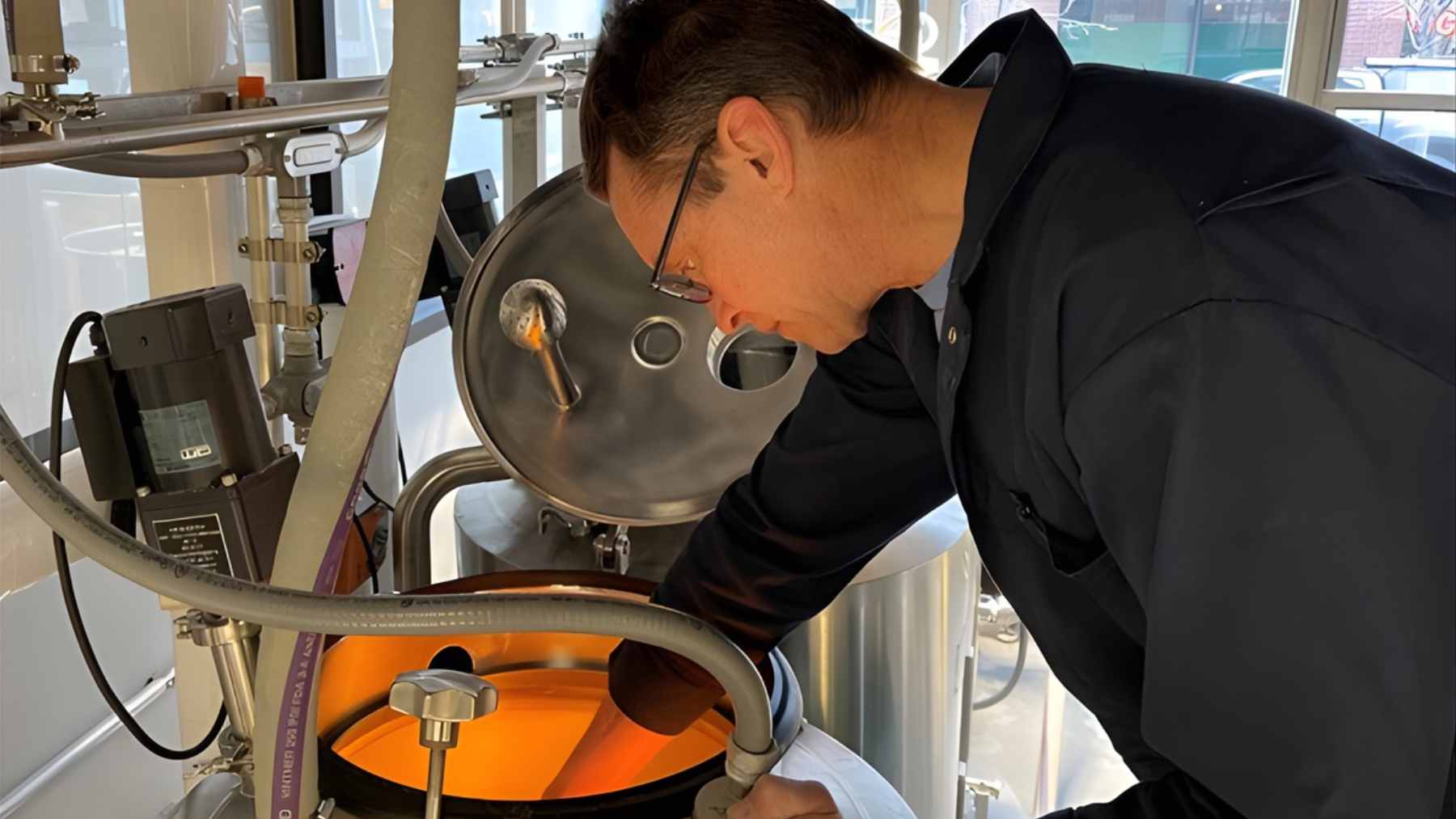
After more than a century and a half in Chicago, the Siebel Institute of Technology is packing up its mash tuns and lecture notes and heading to Montreal. The renowned brewing school will relocate its classroom operations on January 1, 2026, to a new campus on Rue Sainte Catherine East, a short walk from the historic site of Molson Brewery.
The move is not just about chasing a cooler beer scene. In its official press release, Siebel says the decision followed a review of operating costs, industry trends, and mounting visa hurdles for its increasingly international student body.
Regional public radio outlets and trade reports add that policies introduced during the Trump administration, including tighter scrutiny and higher denial rates for student visas, were a major factor pushing the school to look north.
A Chicago institution heads north
Founded in the nineteenth century, Siebel is widely regarded as the oldest professional brewing school in the Americas and has trained generations of brewers who now run taprooms, microbreweries, and quality labs around the world.
For many in Chicago’s beer community, it was as iconic as a neighborhood pub sign glowing on a winter evening.
Beer historian Liz Garibay captured that feeling with a simple line. “It truly is a Chicago institution,” she said, noting how many modern brewers learned their trade in its classrooms. Losing Siebel means the city that helped define American craft beer will watch one of its quiet anchors slip away.
At the same time, Siebel has always thought globally. Alumni come from more than sixty countries, and in recent years international students made up the majority of its enrollment. That global mix is exactly what collided with U.S. visa rules.
Visa rules that tipped the balance
Student visas might sound like dry paperwork, until you are the brewer in Brazil or India trying to get to Chicago in time for a course that starts in three weeks. According to Siebel’s leadership, recent U.S. regulatory changes made it much harder for many of those students to secure entry for in-person study, even though they were already the backbone of the school’s programs.
Trade outlet Inside.Beer reports that tighter federal rules for foreign students, combined with higher rejection rates tied to Trump-era policies, were a decisive factor in the relocation. A mobility analysis by VisaHQ frames Siebel’s decision as a textbook example of how immigration policy can quietly redirect where specialized schools and companies choose to base themselves.
Put simply, if your core business is teaching brewers from around the world, you cannot afford to have them stuck in consular limbo while classes are already underway.
Why Montreal fits the new recipe
The new campus will sit at 3035 Rue Sainte Catherine East, near the original Molson brewery site, in a facility that will also house the Lallemand Baking Academy. Parent company Lallemand Inc. sees the shared building as a chance to bring brewing and baking education under one roof, drawing on the long historical links between grain, yeast, and fermentation.
Montreal already boasts a dense cluster of microbreweries and food science programs, along with a reputation for lively neighborhoods where good beer and good bread are never far apart.
The city also offers comparatively accessible study permit pathways and post graduation work options for international students, an important selling point for a school that markets itself to brewers from Europe, Latin America, and Asia.
Local brewers are thrilled. Michael D’Ornellas of Montreal’s 4 Origines brewery called the move “big news” for the city and predicts it will focus new attention on Montreal as a beer destination, not just a place to drink but a place to learn.
What it means for students and the beer world
For aspiring brewers abroad, Siebel’s relocation could make in-person training feel less like a gamble. Canadian study permits are far from automatic, yet mobility experts note that processing times and approval rates remain more predictable than in the United States for many applicants.
That can be the difference between watching a flagship course from home and actually getting hands-on time with a pilot brewhouse.
For the American craft beer scene, the loss is more symbolic than catastrophic. Siebel will keep offering online programs that U.S. students can access from their laptops between double brew days or late shifts in the taproom.
Still, having one of the field’s foundational schools physically outside the country chips away at Chicago’s long-standing status as a default pilgrimage site for serious brewing education.
In the background sits a larger lesson. Policy choices that make it harder for students to cross borders do not just change consulate lineups. Over time, they reshape where knowledge lives, where industry partnerships form, and which cities end up on the mental map of the next generation of brewers.
At the end of the day, Siebel’s move is a small story about beer that reflects a much bigger story about how countries welcome or turn away talent.
The press release was published on All About Beer.