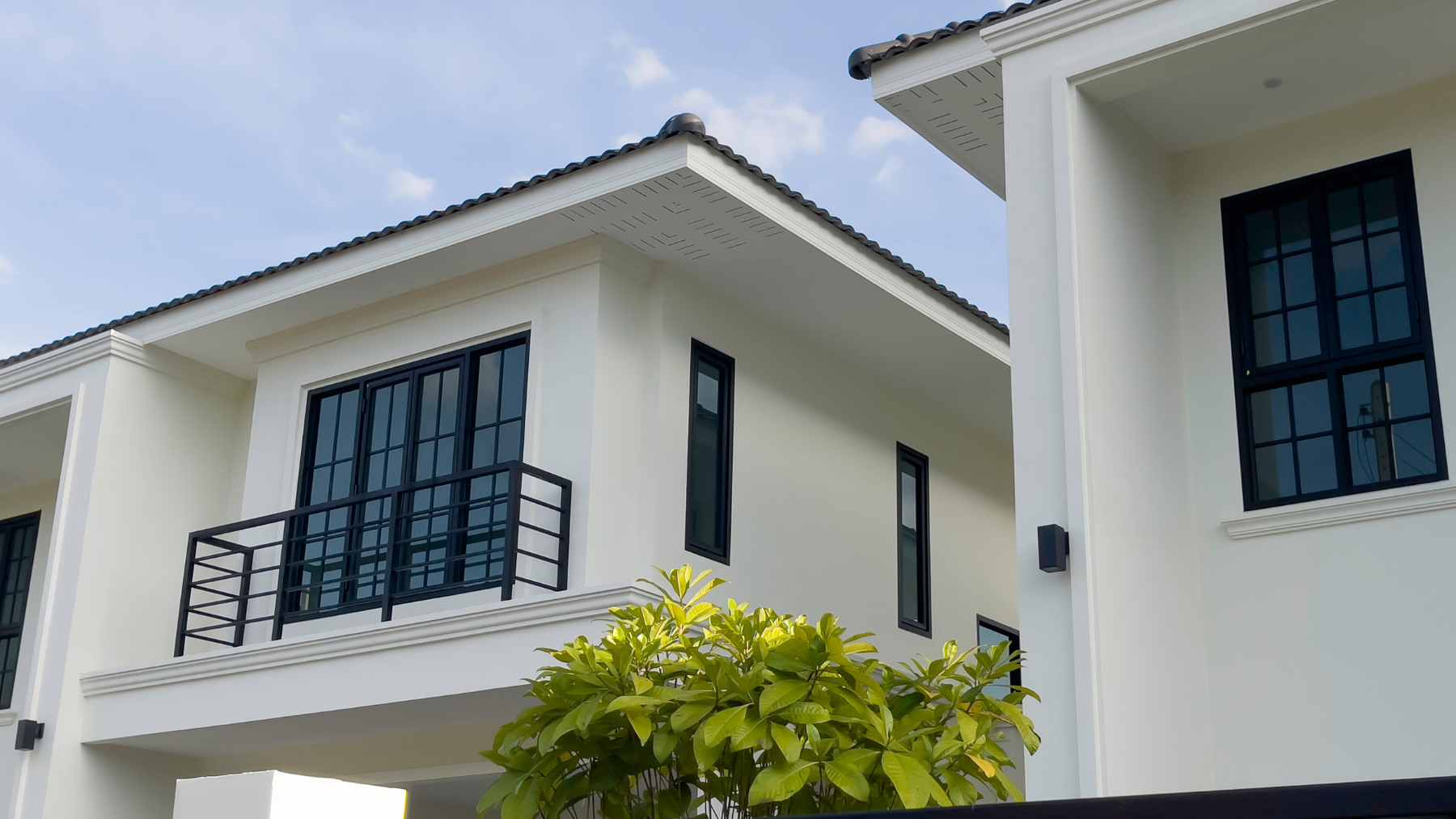
Across many cities, the familiar sight of black iron bars at the front of a house is quietly fading. In their place, homeowners are installing laminated safety glass panels in minimalist frames that promise security without the feel of a fortress.
Coverage from outlets in Latin America describes these glass fronts spreading through renovations and new builds. They keep intruders out, let natural light reach entry halls and reduce the sense of living behind a cage that older metal gates created. Who would not prefer that mix of safety and daylight.
Laminated glass stacks two or more panes around a plastic interlayer that holds everything together when it cracks. Industry guides that cite the National Glass Association note that this post-breakage strength makes laminated glass one of the safest glazing options in modern construction.
Security focused manufacturers such as Riot Glass sell multi-layer systems that are tested to resist forced entry for longer than standard glazing. Code guidance in North America already requires safety glass around many doors and walkways, so designers feel comfortable extending these products to front fences and porch enclosures.
Glass fronts also change how the home feels day to day. Frosted, printed or micro textured panels can block direct views from the street while still letting daylight in, softening the old prison like look of iron bars.
Some laminated units filter around 94% of ultraviolet radiation and cut outside noise, which helps keep furniture from fading and makes traffic a little easier to ignore.
There are trade offs. Laminated glass is heavier and more costly than a simple bar gate, and it needs professional installation so that frames, hinges and locks match the strength of the pane. Many contractors therefore recommend using it in the most exposed areas instead of wrapping an entire property in thick panels.
Maintenance, on the other hand, tends to be easier. Unlike iron, laminated glass does not rust or demand periodic repainting and it pairs well with warmer materials such as wood, stone and planted front gardens.
Safety advice around the trend still stresses basic habits, including checking that doors and windows close properly and adding motion-sensing lights where possible.
Taken together, the shift suggests that home security no longer has to look like a cage and can instead look like a bright entry, clear lines of sight and engineered glass that does its work quietly in the background.
The article was published on TN.com.ar.