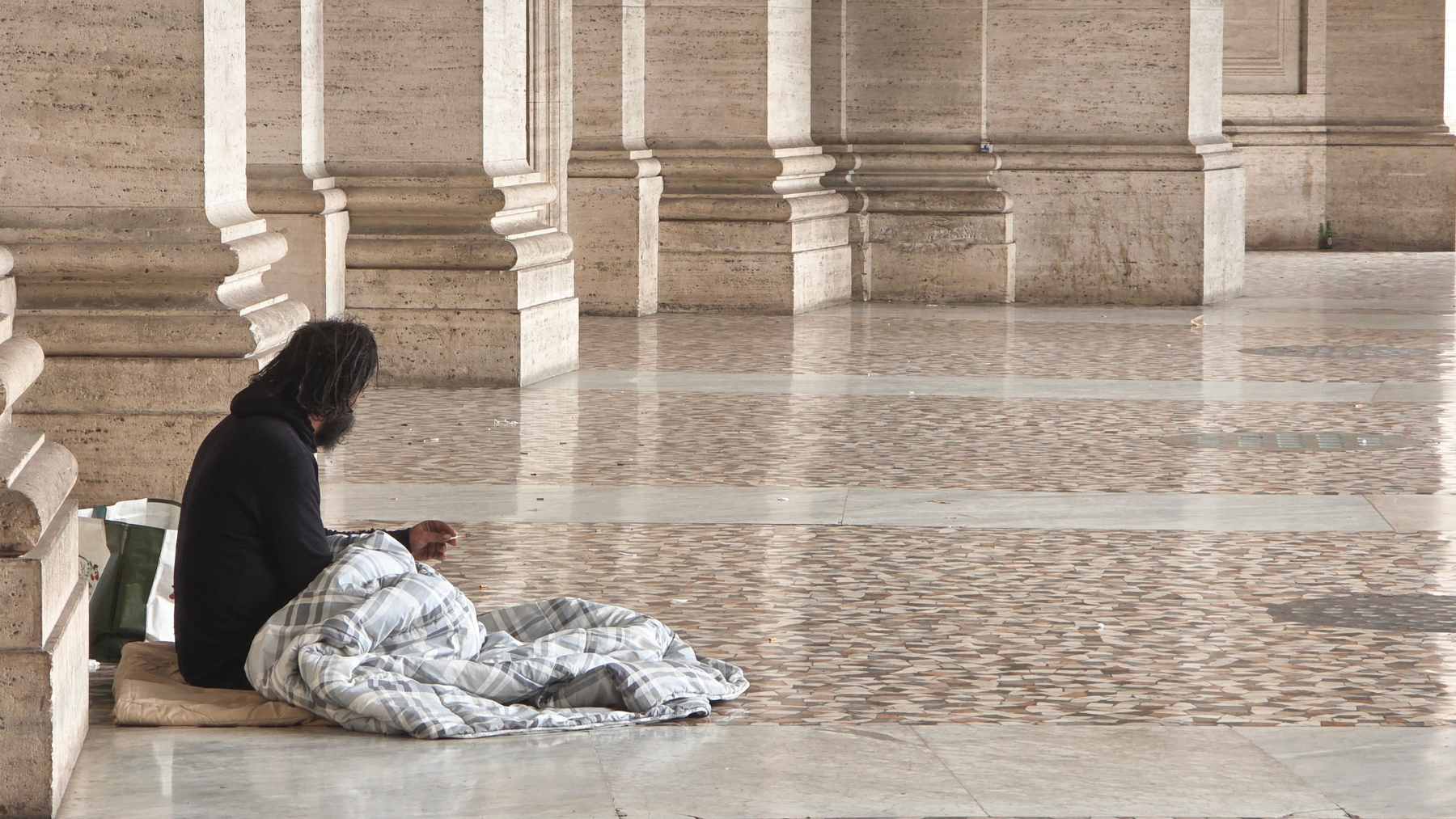
Starting February 12, a rule change in New York will decide who gets access to the city’s most flexible shelter beds. To qualify for a coveted Safe Haven or stabilization bed, unsheltered New Yorkers will now need proof that they have spent at least six months on the street or moving in and out of shelters.
On paper, the rule is meant to help the city prioritize people with long histories of homelessness for a limited supply of beds. In practice, advocates say it risks turning “low-barrier” housing into something much harder to reach, especially during dangerous cold snaps.
The rule, adopted by the New York City Department of Homeless Services, formalizes how outreach teams decide who is offered a low-barrier placement. The agency now has roughly four thousand Safe Haven and stabilization beds that serve people living outdoors, according to the city’s own description of its Street Homeless Solutions network.
What the new rule actually does
Under the new chapter of city rules, the Joint Command Center that coordinates street outreach must check a person’s record in two city databases, StreetSmart and CARES.
If those records show at least six months of documented street homelessness or “intermittent shelter stays,” the person can be referred to a stabilization bed or a Safe Haven, depending on their clinical needs.
Someone with less than six months in those systems is usually sent to a traditional intake shelter instead. That is the part advocates are most worried about, since many people who avoid big dorm-style shelters say they do so because of safety concerns, theft, or previous trauma.
The rule does include exceptions. Assistant commissioners can override the six month requirement after looking at medical records, signs of serious mental health or substance use issues, or documentation from partner agencies.
The city can also set aside up to five percent of low-barrier beds for people who are not already in its databases, such as those referred by hospitals or non-city nonprofits.
Even so, the basic structure is clear. For most people, the door to low-barrier housing only opens after months of documented hardship.
Advocates see a barrier, not a bridge
Advocacy groups that work daily with unsheltered New Yorkers say that flips the idea of low-barrier shelter on its head.
Virginia Shubert of Housing Works has argued that it makes sense to acknowledge the limited number of beds, but not by installing new hurdles in front of the people they were designed to serve. Her organization submitted a formal comment calling it “unconscionable” to add extra barriers for people who already fear entering the congregate shelter system.
In another comment on the rule, Housing Works’ community mobilization vice president Anthony Feliciano described the idea of forcing people to endure long stretches of street homelessness before offering them low barrier shelter as cruel and at odds with the city’s own stated goals.
The new criteria have already drawn legal fire. The Safety Net Project, a program of the Urban Justice Center, previously sued over an earlier internal policy from then Mayor Eric Adams that steered asylum seekers away from these same beds.
That lawsuit prompted the city to pull back the memo and go through a public rulemaking process instead, which led to the version now taking effect.
The final text no longer singles out recent immigrants, but it keeps the six-month standard that advocates opposed throughout the process.
Cold weather, a new mayor, and old rules
The timing adds another layer of tension. As a severe cold wave hits, the administration of Mayor Zohran Mamdani is racing to get people indoors. City agencies have opened additional warming centers and promoted emergency options as part of a broader winter storm response.
Officials also moved quickly to open a new Safe Haven in Lower Manhattan that had stalled under the previous administration, adding more than one hundred low-barrier beds operated by nonprofit provider Breaking Ground.
A spokesperson for the Mamdani administration has said they are reviewing the inherited rule and that the six-month requirement will be suspended during periods of extreme cold. That offers some immediate relief, but only in the narrow window when temperatures drop low enough to trigger special protocols.
The rest of the winter, the new criteria still apply.
Paper trails and people
For people who have actually lived on the streets, the rule’s focus on documentation can feel detached from real life. Eduardo Ventura, who grew up in Manhattan and the Bronx, spent much of his adulthood sleeping on trains and in parks before finally seeking help through the Safety Net Project.
He recalls years of harassment from police and city workers while he was outside, with no one offering him a private room or a Safe Haven bed.
“I would not go to a big shelter because it does not feel safe,” he said. He is not even sure the city has the paperwork that would show how long he was outside, which makes him doubt he would qualify under the new system at all.
The city’s own rule says low-barrier housing is meant to bring people off the streets into a supportive setting that helps them reach permanent housing and that it does not replace or weaken New York’s long-standing right to shelter.
For many unsheltered New Yorkers and the people who work with them, that promise can only ring true if help is available at the moment they finally say yes, not after half a year of proving they have suffered enough.
The official rule was published in Rules of the City of New York.