The fight over which fighter jet Canada buys has suddenly turned into a debate about who really controls the air above the country.
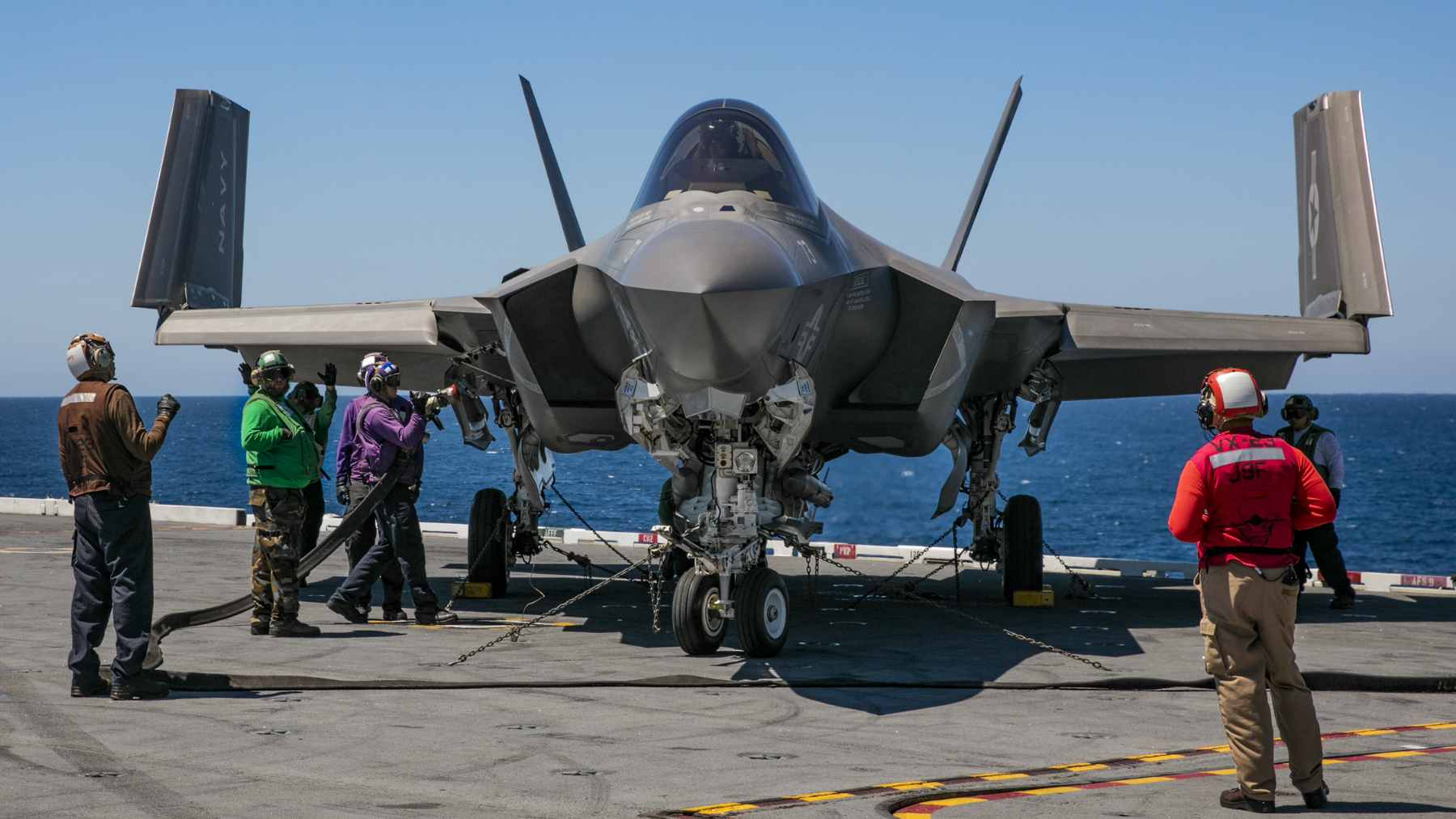
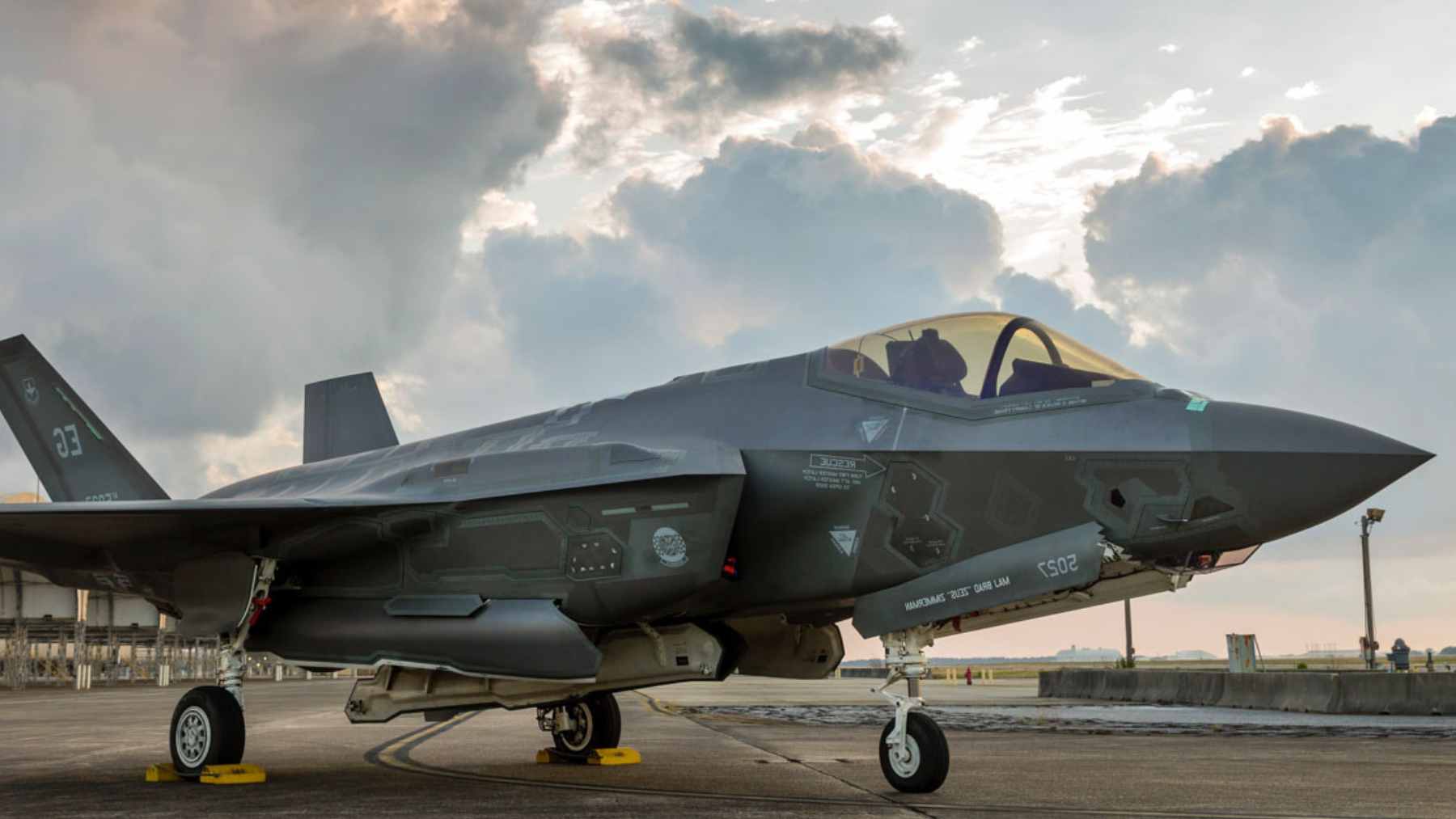
In a recent interview, U.S. Ambassador to Canada Pete Hoekstra warned that if Ottawa backs away from its plan to purchase 88 F 35s, the North American air defense pact would have to change and more American jets would routinely patrol Canadian airspace.
He told Canadian media that “NORAD would have to be altered” and that Washington would “fill those gaps” itself if Canada no longer provides the planned fighter capability.
For many Canadians, that lands less like a technical adjustment and more like a reminder that the country shares not only a border with the United States, but also much of its sky.
How NORAD actually works today
The binational North American Aerospace Defense Command, better known as NORAD, has for decades tracked approaching aircraft and missiles and scrambled armed jets from either side of the border. The basic rule is simple in theory, even if the radar screens are not.
The closest fighter responds, whether it wears a maple leaf or a U.S. insignia.
That arrangement is not just hypothetical. American jets have already entered Canadian airspace during real incidents, including a response to a bomb threat on a German airliner near Calgary and the 2023 shootdown of a suspicious balloon over Yukon. For the most part, those flights barely register in daily life, beyond a mention in the news or a distant roar overhead.
What Hoekstra is suggesting, though, is more frequent U.S. patrols over Canada if Ottawa trims its order. In practical terms, that would tilt the balance inside a command that is supposed to treat both countries as equal partners.
A fighter contract that keeps getting more expensive
Canada originally agreed in 2023 to buy 88 F 35 fighters from Lockheed Martin at an estimated cost of 19 billion Canadian dollars.
That estimate has not aged well. By mid 2025, the Auditor General reported that the bill had climbed at least 45%, to a range between 27.7 and 33.2 billion Canadian dollars, with special facilities already three years behind schedule and a long-standing pilot shortage still unresolved.
Against that backdrop, Prime Minister Mark Carney ordered a review of the deal, arguing that Canada relies too heavily on U.S. weapons and that the country needs better value for money.
According to that review, roughly 80% of Canada’s defense budget flows to American systems, a figure that has become harder to swallow during a trade war that includes U.S. tariffs and tough rhetoric from President Donald Trump.
When voters see both the grocery bill and the fighter jet bill going up, questions about big ticket military projects tend to get sharper.
Why Sweden’s Gripen is in the conversation
Enter Swedish manufacturer Saab. The company has proposed selling Canada 72 Gripen E or F fighters and six GlobalEye surveillance aircraft, promising about 12,600 Canadian jobs through local production and a country-wide supplier network.
Factories would be based in Ontario and Quebec, with Canadian made airframes and systems feeding both domestic needs and export markets.
Ekos Politics, a Canadian polling firm, found that 43% of Canadians support buying Gripen fighters outright, while 29% prefer a mixed fleet of Gripens and F-35s. Only 13% back an all F-35 path.
Put together, that means roughly seven in ten respondents want the Swedish jet involved in some way, even though experts warn that running two different fighter types would strain training and maintenance.
Military analyst Justin Massie of the Universite du Quebec a Montreal has also raised a pointed question. Would Washington even approve full integration of Gripen into NORAD systems, given how closely Canadian and American air defenses are wired together.
His concern hints at a deeper issue. Buying a more independent jet on paper may not fully free Canada from U.S. control in practice.
Pressure tactics or real policy shift
Canadian defense scholars have reacted cautiously to Hoekstra’s remarks. Andrea Charron, who directs the Centre for Defence and Security Studies at the University of Manitoba, warned that public pressure of this kind can “undermine the credibility of our shared deterrence,” even if the underlying partnership remains strong.
She reminded observers that “political disputes come and go” while NORAD’s mission does not.
Former national security adviser Vincent Rigby went further, calling the ambassador’s comments a political tactic aimed at pushing Ottawa toward the U.S. jet and noting that they do not necessarily reflect a carefully vetted position from the administration or the Pentagon.
Against the backdrop of past talk about Canada as a potential “51st state,” and simmering unease over U.S. trade moves, many Canadians hear the warning about more American jets in their airspace less as reassurance and more as a reminder of imbalance.
What Canadians really have to decide
At the end of the day, this is not simply a catalog choice between two pieces of military hardware. It is a decision about how much control Canada keeps over its own air defenses, how much of its defense budget goes south of the border, and how its industry fits into a shifting global arms market.
If Ottawa sticks with the full F-35 order, NORAD remains easier to operate and relations with Washington may stabilize, but Canadian dependence on U.S. supply chains will stay high.
If the government chooses a mixed or Gripen-heavy fleet, it could gain more domestic jobs and slightly more room to maneuver, while accepting friction over interoperability and alliance politics.
Either way, Canadians are being asked to weigh abstract acronyms and contract numbers against something more tangible.
Who does the actual flying when a mysterious radar track appears over the Arctic? Who gets to decide what patrols look like above Canadian towns and cities? And who pays for it all when the federal budget is already stretched?
The official statement was published on CBC News.