Drivers who dread surprise repair bills have fresh data to lean on this year. The latest predicted reliability rankings from Consumer Reports, built from owner feedback on about 380,000 vehicles, put Toyota, Subaru and Lexus in the top three spots for 2026, while Tesla enters the top ten for the first time.
In plain terms, those brands are statistically less likely to send owners back to the dealer for repeat fixes once the new car smell fades. For households already juggling rent, groceries and the electric bill, that kind of predictability can matter as much as horsepower or a giant touchscreen.
How the 2026 reliability ranking was built
Consumer Reports bases its auto reliability work on detailed surveys sent to its members. Drivers report problems they have experienced in the last year, across as many as twenty potential trouble areas, from small cabin rattles to serious engine, transmission or electric motor failures.
Those issues are weighted by severity and rolled into a predicted reliability score for each model on a scale that runs from one to one hundred, then averaged across the newest three model years for every brand.
That method is why an automaker that sticks with proven hardware can, to a large extent, outrank a rival that is constantly pushing out radical redesigns. Think of it as a weather forecast for your future repair bills.
Japanese brands keep their reliability edge
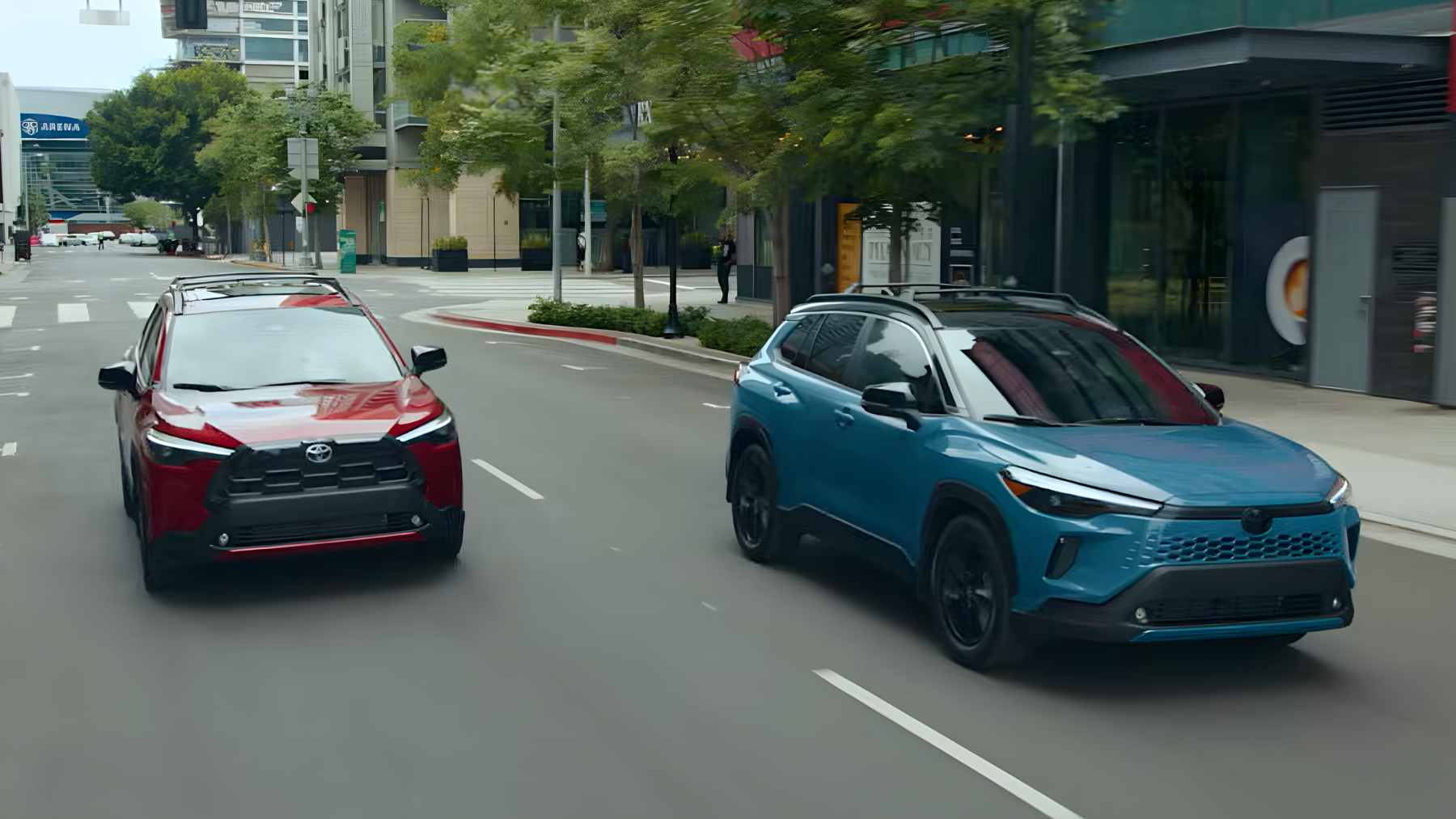
At the top of the 2026 list, Toyota earns a predicted reliability score of 66, followed by Subaru at 63 and Lexus at 60. Honda, Nissan and Acura also land in the upper ranks, which means six of the seven most reliable brands come from Japanese manufacturers.
This is not happening in a vacuum. Long-term studies of vehicle longevity show that many Toyota and Honda models are especially likely to reach 200,000 miles and beyond when owners keep up with routine maintenance, reinforcing the idea that conservative engineering and long production runs pay off on the road.
For buyers, that can translate into cars that simply age quietly in the driveway instead of camping out at the shop once the warranty expires.
European makers sit in the middle of the pack
Among European brands, BMW stands out as the most reliable, ranking fifth overall with a score of 58. Other European names, including Audi, Volvo, Mercedes Benz and Volkswagen, cluster in the low forties, a more mixed picture that reflects both solid powertrains and more frequent issues with advanced features and newer electrified models.
That does not mean these cars are flimsy. It does suggest that extra complexity, from intricate infotainment systems to fresh EV platforms, gives owners more things that can go wrong.
Tesla’s big jump and the EV reality check
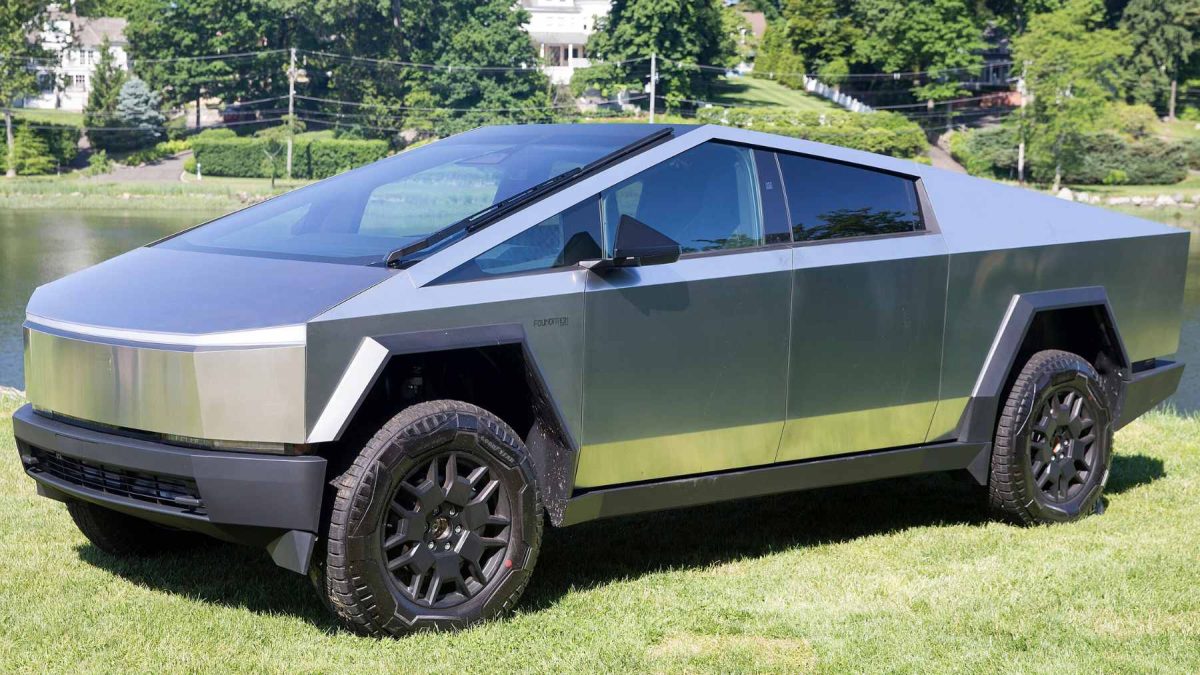
The sharpest movement in this year’s ranking belongs to Tesla. The electric car maker climbed eight spots, from seventeenth to ninth place, with a predicted reliability score of 50. Analysts say more mature versions of the Model 3 sedan and Model Y SUV, which now show above average reliability in the survey, explain much of that gain.
Even so, the broader pattern for electric vehicles is less rosy. Survey data indicate that fully electric and plug-in hybrid models still experience roughly 80% more problems on average than gasoline cars, with many of the least reliable vehicles in the study powered partly or entirely by batteries.
Reported issues often involve charging systems, high-voltage components and climate systems rather than basic engines.
So while Tesla’s progress points to maturing EV designs, shoppers who want the lowest risk of headaches still find the safest bet in conventional hybrids and well established gas models.
What car shoppers should keep in mind
For anyone scrolling through listings or sitting across from a salesperson, rankings like these are a powerful starting point, not a crystal ball.
Consumer Reports and other experts still advise avoiding the very first model year of an all new vehicle, even from a high scoring brand, because early production often reveals bugs that take time to fix.
In practical terms, that means a simple strategy. Start with brands that land near the top of the reliability list. Favor a hybrid or conventional gas version over a plug-in or full EV if trouble-free ownership is your top priority.
Then look for a model that has already been on sale for a couple of years, so you are not paying to beta test the latest technology.
The report was published on the Consumer Reports site.