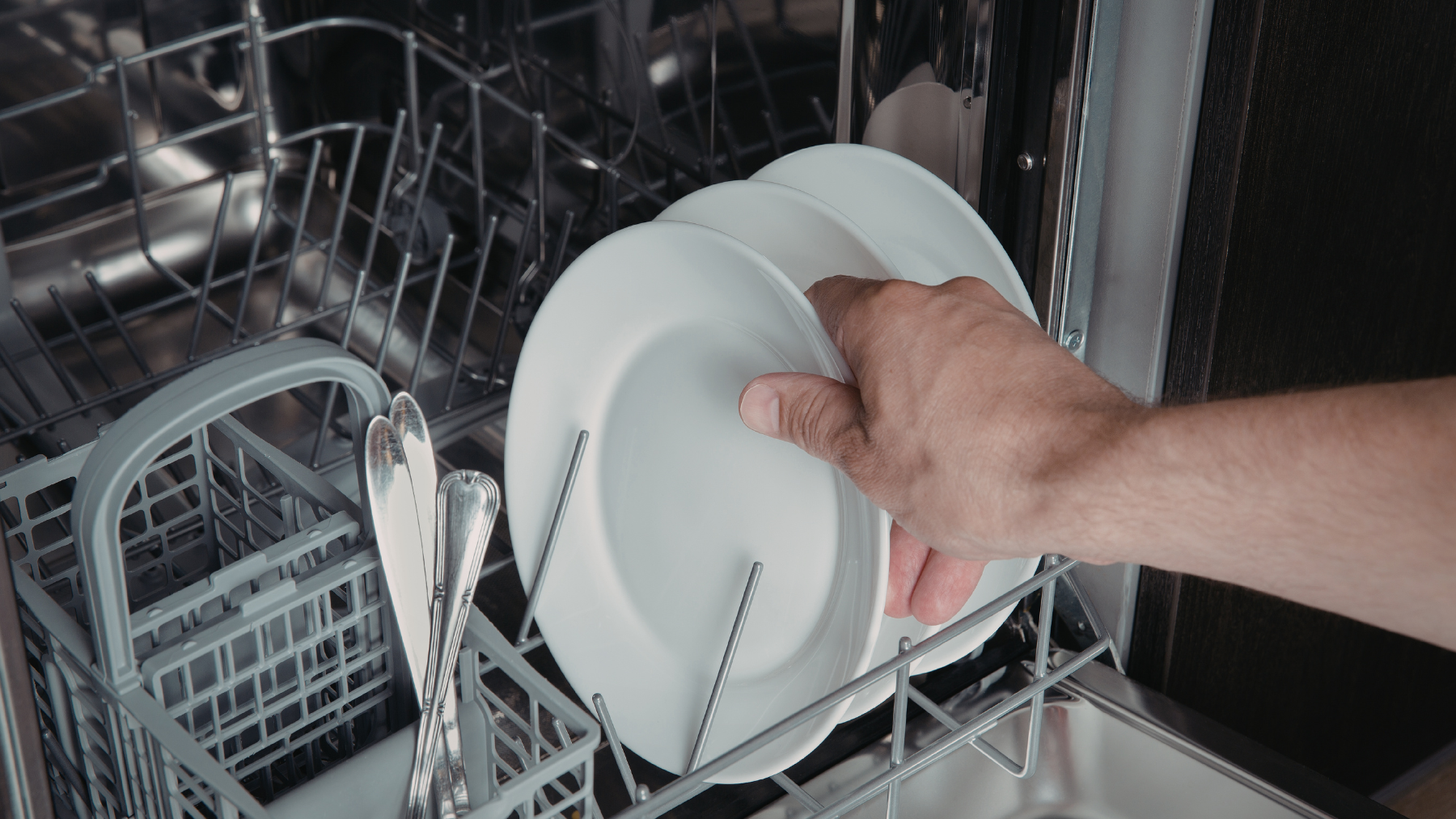
In practical terms, the best habit is simple. As soon as the cycle finishes, unlatch the door so it opens just a few inches. Let the first wave of hot steam roll out into the room, not stay trapped inside the tub.
That short burst of ventilation helps water evaporate from plates and glasses instead of condensing on the walls and dripping back onto everything.
Home care guides that test different routines often land on a similar window. Waiting roughly fifteen to thirty minutes before fully unloading gives the dishes time to cool while residual heat continues to dry them, so you avoid both scalding steam and lingering puddles in plastic cups.
After that half hour or so, unload the machine, then close the door again once the interior feels mostly dry. Leaving the door hanging wide open all day may add stress to hinges and invites dust, crumbs, and pet hair into a place that is supposed to stay clean.
Why moisture inside the tub is a bigger deal than it looks
A closed, warm, damp dishwasher feels tidy from the outside. Inside, it can behave more like a tiny tropical greenhouse. Studies of household dishwashers have found yeast and other fungi in around seventy percent of the units tested, especially on rubber door seals where moisture lingers the longest.
Researchers warn that some of these species are opportunistic pathogens that thrive in the extreme mix of heat, detergent residue, and food particles. That does not mean your next load of plates is dangerous, but it does mean a chronically wet tub and gasket are not ideal for long-term hygiene.
Letting steam escape right after the cycle and giving fresh air a brief chance to circulate helps break up that constantly humid environment. Appliance experts also note that keeping the interior dry between cycles is one of the simplest steps to discourage mold on seals and in corners where water tends to sit.
Why so many new dishwashers crack the door for you
If this routine sounds familiar, it is because manufacturers are quietly building it into their machines. Several major brands now offer programs that automatically pop the door open a little at the end of the cycle.
Bosch markets its AutoAir feature, which opens the door at the end of drying so moisture can escape and room air can finish the job, reporting up to forty percent better drying compared with its own closed door system.
Electrolux uses a similar approach under the AirDry name. The door opens about ten centimeters near the end of the program so natural airflow completes drying and, by the company’s own estimates, can deliver up to three times better drying performance while using less energy than keeping the tub sealed.
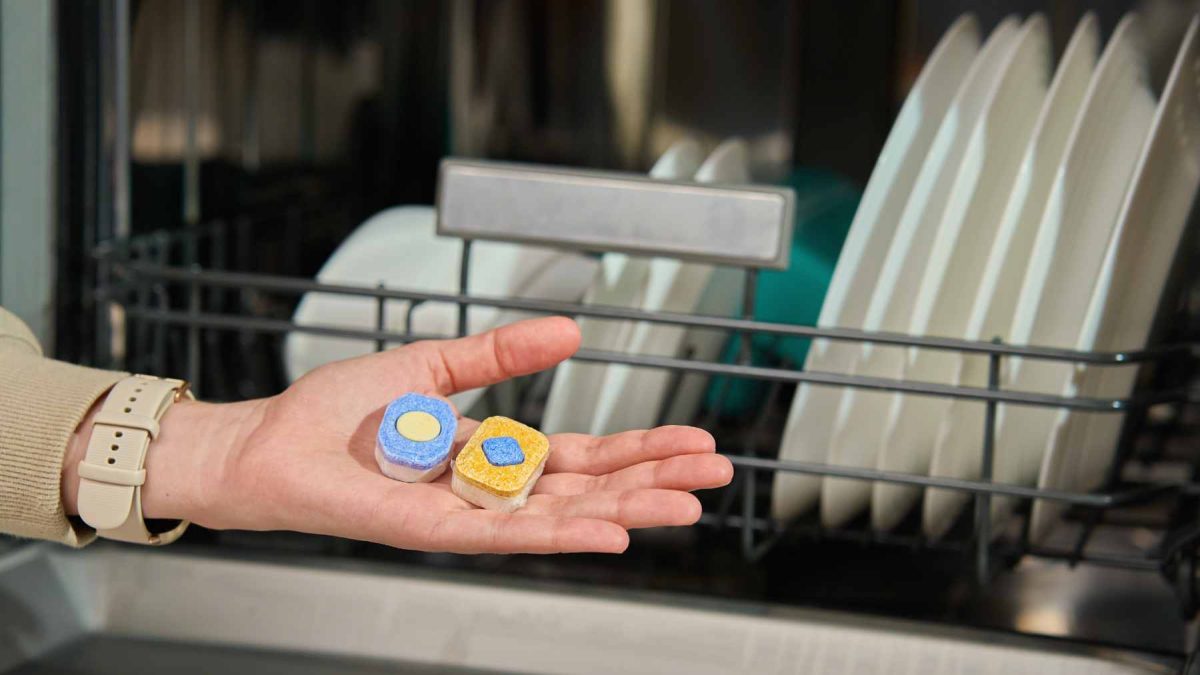
Other brands, including Whirlpool and KitchenAid, describe comparable options that crack the door a few inches to vent humid air and speed drying without additional powered heat. For anyone who has ever pulled out cloudy glasses or a soggy plastic lunch box, the appeal is obvious.
A small habit with everyday benefits
At the end of the day, what this science and appliance design are both trying to do is keep your dishes dry and your machine from turning into a permanent steam bath. Open the door slightly as soon as the cycle ends, let the kitchen air take that first burst of moisture, wait around half an hour, then unload and close up again.
Combine that with occasional cleaning of the filter and door seals and you get cleaner dishes, fewer musty smells when you open the door, and a tub that spends less time in the warm, wet state fungi prefer.
You might even see a small help on your electric bill if you rely more on residual heat and room air instead of energy intensive heated drying cycles.
The study was published in Pathogens.