Many of us reach for a plug in or a spray when the kitchen smells like last night’s dinner or the bathroom needs a quick refresh. One press and the air smells like an ocean breeze, even if the window is closed.
Scientists say there is a trade off hiding in that convenience. Studies of fragranced consumer products show that air fresheners and cleaners can release dozens of volatile organic compounds, or VOCs, into indoor air, including some classified as toxic or hazardous by United States law.
One research team describes them as “possible hazardous air pollutants and carcinogens” based on the compounds they detected in plug in and car products. In one nationwide survey, about one third of adults reported headaches, breathing trouble or other health issues when they were exposed to fragranced products in everyday settings.
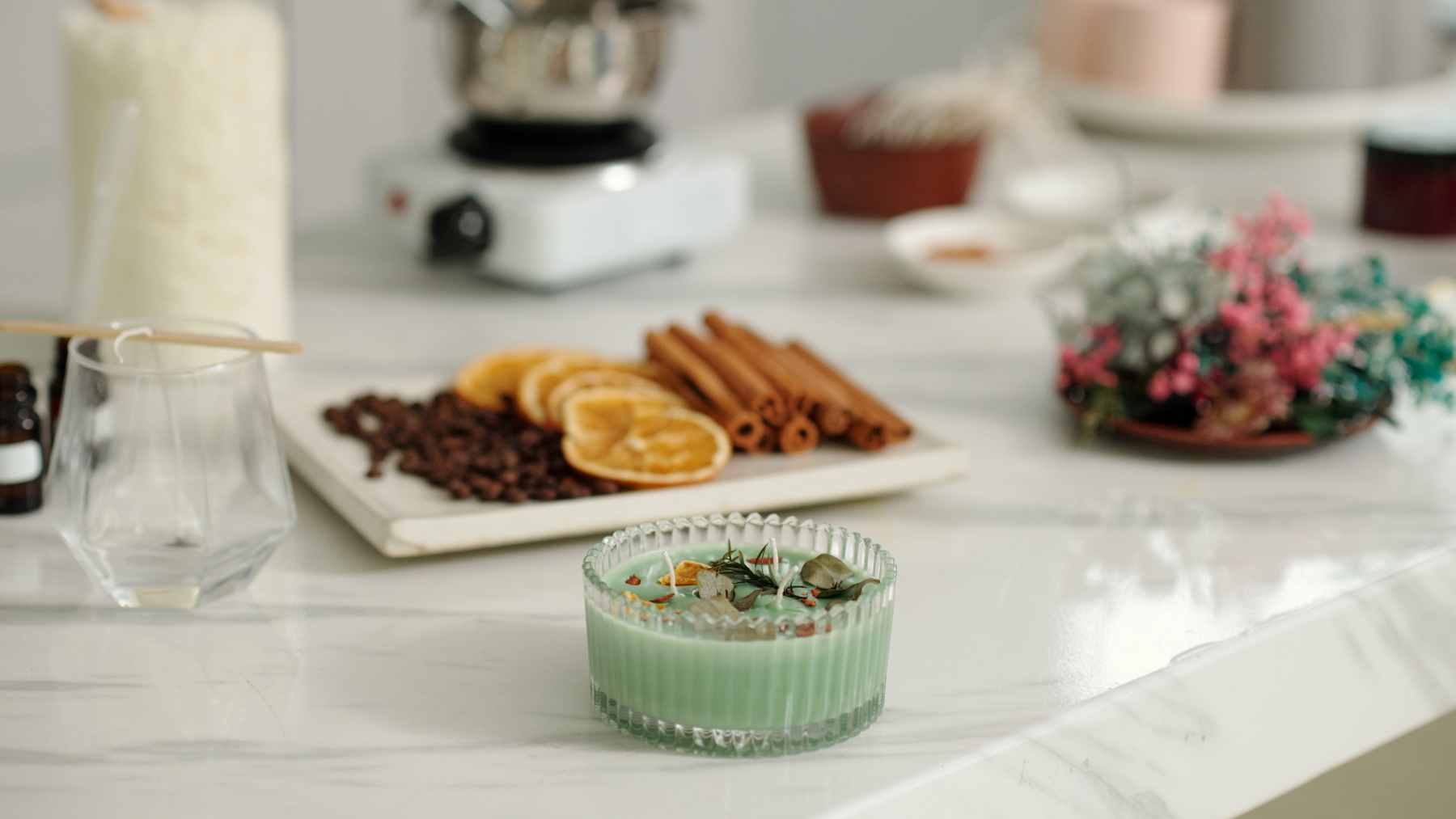
That concern is one reason do-it-yourself alternatives are drawing interest. Instead of spraying a fine mist, a simple gel air freshener sits quietly on a shelf and slowly releases scent from a glass jar of firm, lightly-perfumed gel that you mix in your own kitchen.
The method is straightforward. You heat about 200ml of water and stir in two tablespoons of unflavored gelatin until it dissolves. When the mixture cools slightly, you add two tablespoons of glycerin, a teaspoon of food coloring if you want color and around seven drops of essential oil, plus a pinch of salt to help the gel last longer.
Pour the liquid into a clean glass jar or small bowl, leave it at room temperature until it sets and you have a scented gel.
Before it firms up, you can tuck in dried flowers, herbs or strips of citrus peel so the gel also serves as simple decor. Because the jar can be washed and refilled and the ingredients are pantry or pharmacy staples, the upfront effort can pay off.
For households that regularly buy spray cans or plug in refills, that means less packaging waste and a lighter shopping bill.
Natural does not automatically mean risk free. Experts note that plant-based fragrances are still VOCs, and reviews of synthetic and natural scents find that they can irritate airways or skin in sensitive people, especially in poorly ventilated spaces.
That is why no gel in a glass can replace basic indoor air habits such as opening windows when possible and avoiding overuse of scented products. Agencies such as the U.S. Environmental Protection Agency advise cutting unnecessary sources of VOCs at home, particularly for people with asthma or chemical sensitivities.
For many households, a small jar of gelatin-based air freshener offers a practical middle path. It gives you more control over what you breathe and turns home fragrance into a simple kitchen project instead of another disposable product.
One key study on VOC emissions from plug in and car air fresheners was published in the Journal of Student Research.