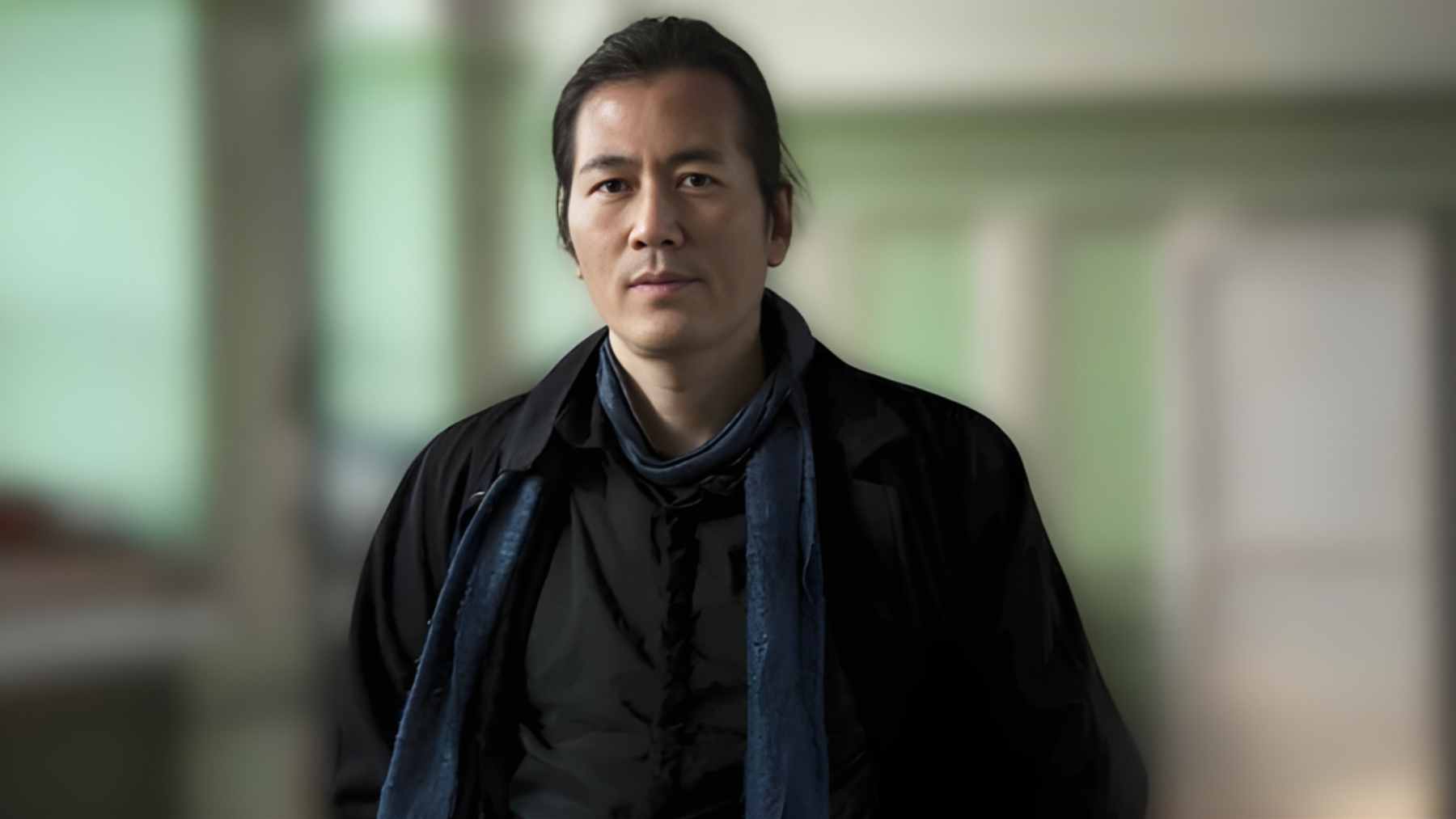
Turn off your notifications, close the front door, and sit with your own thoughts. For philosopher Byung-Chul Han, that scene is not laziness. It is what he calls the most lucid way to resist an exhausted, always‑on society.
Recently honored with the 2025 Princess of Asturias Award for Communication and Humanities for his critique of the “burnout society” and digital capitalism, Han has repeated a simple line in interviews. Staying home, he says, is “the most lucid form of resistance,” and the silence of your home is the one place you can still hear yourself.
At first glance it sounds like a clever slogan for introverts. Look a little closer and it touches something many people feel every night when they come home drained from work and still reach for their phone.
What Han is pushing back against
Han built his reputation by dissecting what he calls a culture of self exploitation. In his books such as “The Burnout Society,” he argues that people no longer feel forced by a boss as much as they pressure themselves to be productive, visible, and permanently available.
In public talks about his prize, he has warned that smartphones and platforms do not simply serve us. Used without limits, they quietly recruit us as unpaid workers who generate data, content, and attention around the clock.
Against that backdrop, his idea of staying home is not a call to hide from the world. Spanish‑language coverage of his comments emphasizes that he sees the home as a “bastion of freedom” where you do not have to perform, post, or justify how you spend your time.
In that sense, a quiet afternoon in your living room becomes a small strike against the belief that every hour must be monetized or shared.
Home as refuge and “hogarterapia”
Han’s comments have collided with a wider movement that treats the house as more than four walls. Writers on “hogarterapia” home therapy describe the home as an exoskeleton similar to a snail’s shell, a place that can support sleep, finances, food, relationships, and emotional balance when it is organized with care.
The idea is simple. If your home feels calm and functional, it gets easier to rest, think, and even work. A cluttered, noisy apartment that smells like old takeout does the opposite.
A 2022 review of housing and mental health found that indoor environmental quality things like light, air, and noise has a measurable impact on well‑being, especially now that people spend more time at home.
Other voices line up with Han’s call for quiet. Buddhist nun and writer Kankyo Tannier argues that staying home does not mean staying still, and that the more you know yourself, the less you fear being alone with your thoughts.
Organizer and author Marie Kondo speaks of “creative releases” small, enjoyable tasks that help people reconnect with their inner compass instead of their inbox.
Put together, they sketch a home that feels more like a quiet studio than a storage unit.
What science says about silence, screens, and craft time
Han writes as a philosopher, but many of his intuitions echo current research.
Quiet is not just a pleasant feeling. Experiments in animals have found that regular periods of silence can stimulate new cell growth in the hippocampus, a brain region involved in learning and memory.
Reviews on silence and the autonomic nervous system suggest that cultivating “inner silence” can activate the body’s calming vagal pathways and reduce physiological stress responses. Human studies also link short silent breaks to lower heart rate and better concentration compared with continuous background noise.
On the flip side, constant digital stimulation is not neutral. Medical reviews associate excessive screen time with higher rates of anxiety, depression, and sleep problems, especially when devices are used late into the night or for many hours a day.
Research on problematic internet use suggests that emotional exhaustion is a key pathway through which heavy online activity harms mental well‑being.
Then there is what happens when you put the phone down and pick up yarn or a paintbrush. An international survey of thousands of people who crochet found that most reported calmer moods and better ability to cope with grief, chronic illness, or stress when they practiced their craft regularly.
A 2024 review of needlecrafts such as knitting and embroidery reached a similar conclusion that these manual activities have overwhelmingly positive effects on mood and general well‑being.
Han may frame it as “doing nothing.” Neuroscience and mental health research suggest that at least some kinds of quiet, slow activity are doing quite a lot.
How this “quiet resistance” might look at home
So what does it actually mean to “stay home” in the way Han is talking about? It does not require a cabin in the woods or a week off work. It can start with small, repeatable habits.
Some examples that line up with both his ideas and the available science
- Building tiny islands of silence during the day. That might be five minutes without music or podcasts after work, letting your nervous system come down a notch.
- Enjoying a coffee or tea with full attention, phone in another room, simply watching the steam rise.
- Keeping a short handwritten journal to dump worries and track what actually matters to you instead of what gets likes.
- Trying “craftfulness.” Simple crafts such as knitting, embroidery, or paint by numbers can give your hands something to do while your mind unwinds.
- Cooking one meal slowly when you can, treating chopping and stirring as a sensory break rather than a chore raced through between emails.
- Playing with kids or loved ones without checking the time, taking seriously Han’s reminder that humans are born to play, not only to work.
- Planning your week in a kinder way, with realistic blocks of work and visible pockets of rest, instead of stuffing every hour.
None of these are magic cures. They do, however, pull a little attention away from algorithms and back into your body and your home.
The limits of staying home
There is an important catch. Not every home is a peaceful sanctuary. Studies of housing and health note that overcrowding, poor ventilation, and damp or polluted indoor air can undermine mental and physical well‑being.
Recent work on indoor air pollution even suggests that common sources such as wood stoves and frying can push particle levels indoors to unhealthy peaks if spaces are not aired out.
Experts now recommend simple practices like opening windows briefly each day in many climates, a habit rooted in the German “lüften” tradition, to reduce indoor pollutants and improve sleep and mood when outdoor air is reasonably clean.
There is also the risk of too much isolation. Large studies show that short daily doses of urban nature, even fifteen minutes in a small park, can significantly reduce stress and low mood for city residents. In parallel, psychologists emphasize that regular “me time” alone supports mental health only when it is balanced with social connection, not used to withdraw completely.
In practical terms, Han’s message lands best when home becomes a base camp rather than a bunker. A place where you unplug, rest, make things, and then choose how to reengage with work, politics, and community from a clearer head.
At the end of the day, his call to “stay home” is less about never leaving the couch and more about reclaiming pockets of time and silence from a system that treats every minute as potential content.
For a thinker now recognized by one of Europe’s most prestigious cultural awards, it is striking that his most radical proposal begins with something as ordinary as your living room.
The official statement was published by the Princess of Asturias Foundation.