Parents are already juggling work, homework, and that never-ending pile of laundry. So when a three-ingredient baked chicken tender recipe becomes a family favorite, it feels like a small miracle that actually fits into a Tuesday night.
Home cooked dinners and diet quality
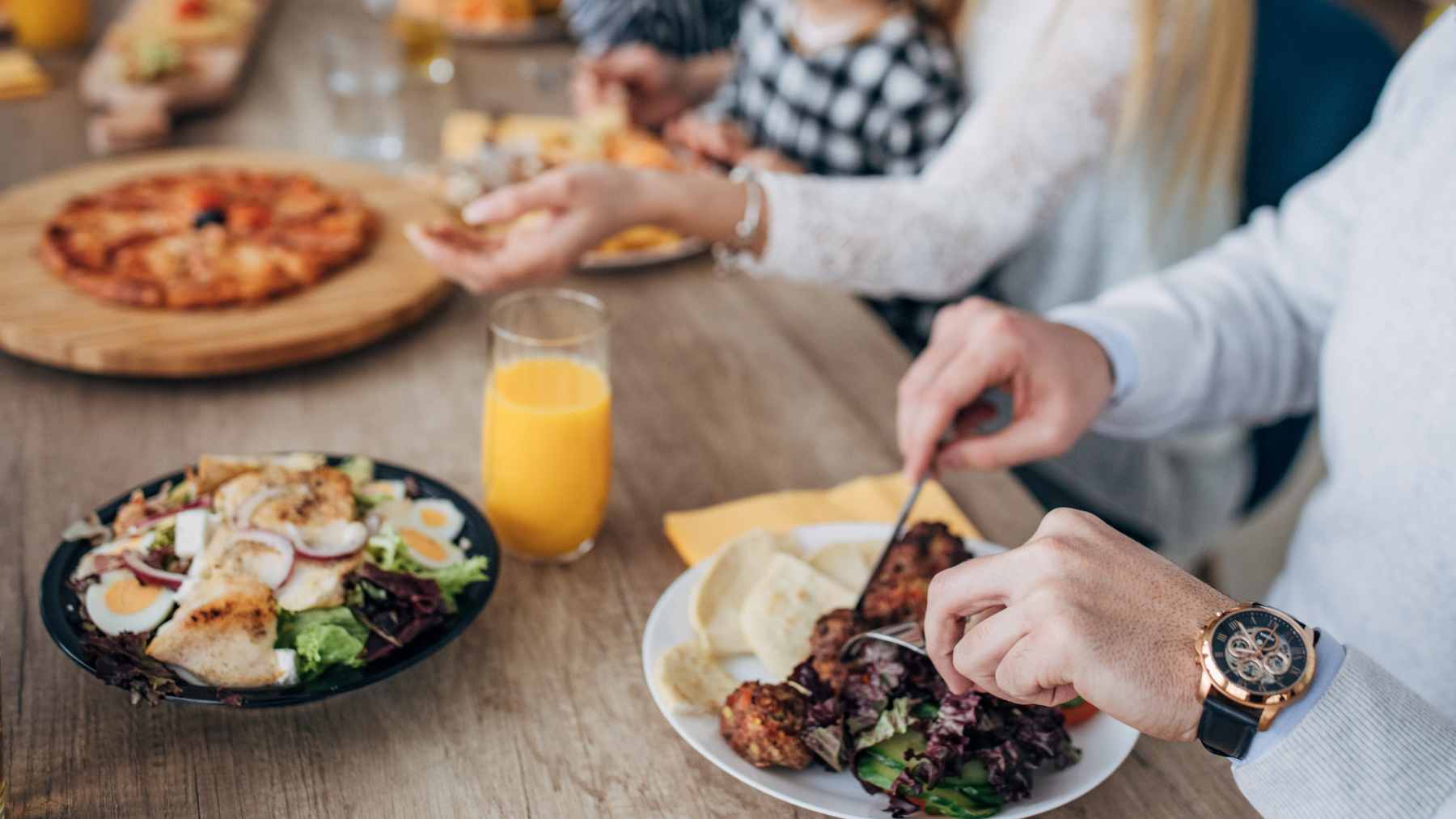
Nutrition researchers say meals like that might matter more than we think. A recent analysis of more than six thousand children and teens in the United States found that families who cooked dinner at home most nights had kids who ate fewer ultra-processed foods and scored higher on overall diet quality than those who relied heavily on ready-made meals and takeout, even when income and background were similar.
The work, published in the journal Child Obesity, suggests that what happens in an ordinary kitchen can quietly shape long-term health.
Cooking at home and the grocery bill
The pattern does not stop with children. In the Seattle Obesity Study, adults who cooked dinner at home more often not only ate better but also spent less on food overall compared with those who ate out frequently, even after adjusting for education and income levels.
That research, titled “Cooking at Home: A Strategy to Comply With U.S. Dietary Guidelines at No Extra Cost”, found that frequent home cooks had higher Healthy Eating Index scores without a bigger grocery bill.
In practical terms, that means a tray of oven-baked chicken strips, some vegetables, and a simple starch can nudge a household toward a healthier pattern without demanding a bigger paycheck.
Ultra-processed foods and what the science shows
Why is this such a big deal in a country where childhood obesity is already a concern and time is tight for many families? Ultra-processed foods tend to be cheap, shelf stable, and heavily marketed, especially to kids.
They are also everywhere, from school vending machines to frozen aisles full of breaded chicken products.
In a landmark inpatient trial at the National Institutes of Health, people randomly assigned to an ultra-processed diet ate about five hundred extra calories per day and gained weight compared with when the same participants were fed minimally processed meals that matched for sugar, fat, salt, and fiber content, as detailed in “Ultra-Processed Diets Cause Excess Calorie Intake and Weight Gain”.
More recent work has raised fresh alarms. A controlled trial reported in France and covered by outlets such as “Le Monde” followed adults whose diets were made up of more than seventy five percent ultra-processed foods.
In just three weeks, participants gained around one and a half kilograms on average and showed early shifts in markers of metabolic and hormonal health, despite calorie matched comparison meals. For parents who lean on frozen nuggets or breaded patties because they cook straight from the freezer, that kind of finding can feel uncomfortably close to home.
Food costs and access to healthier ingredients
At the same time, cost and time are not imaginary problems. Many households depend on tight grocery budgets and, in some cases, government support to keep the pantry stocked.
Policy changes to Supplemental Nutrition Assistance Program work rules, like those described for SNAP recipients in the United States in “Changes to food stamps in the United States: who has to work more and who could lose SNAP”, can directly affect whether families feel able to prioritize fresh ingredients or default to cheaper packaged options.

Simple meal prep and safe leftovers
That is where simple, repeatable recipes earn their place. A pan of homemade chicken tenders uses basic pantry items and turns an everyday protein into something kids actually want to eat.
Leftovers can pull double duty in lunchboxes or salads the next day, which stretches both time and money.
According to the United States Department of Agriculture, most cooked leftovers are safe in the refrigerator for three to four days if cooled and stored properly, a guideline summarized in the agency’s “Leftovers and Food Safety” advice from the USDA Food Safety and Inspection Service.
None of this means families have to cook from scratch every night or swear off convenience foods entirely. For many people, that would be unrealistic.
But evidence points in a clear direction. Making room for a few more home-cooked dinners each week, especially ones that can be prepped ahead and frozen, tends to shift diets away from ultra-processed options and toward more nutrient-dense meals.
Over a period of years, that pattern could matter as much as any headline about celebrity weight loss or extreme diets, like the debates over lifestyle changes and medication that have surrounded public figures covered in pieces such as “Diet or Weight Loss Drugs? Donald Trump’s Massive Weight Loss Sparks Curiosity!”.
Public health debates about obesity and responsibility can turn harsh very quickly, as seen in stories like “No Entry for the Overweight! Donald Trump’s Latest Visa Ban Leaves World in Shock”. On the ground, though, most parents are not rewriting immigration law.
They are staring into the fridge at 6 p.m., trying to figure out what they can get on the table before soccer practice. For them, the research suggests that small, affordable habits like a tray of baked chicken, some frozen vegetables, and a side of rice may quietly lower ultra-processed intake and improve diet quality for their kids.
Even long-term aging research hints at how daily choices add up, from the way certain whales maintain cellular repair for two centuries to how human tissues respond to chronic metabolic stress, as explored in features like “Scientists discover the “cellular secret” of a whale that lives for more than 200 years and manage to transfer it to human cells”.
At the end of the day, a simple home-cooked dinner is not a miracle cure, but it is one of the few levers families can pull that touches health, budget, and daily life all at once.
The study was published in Child Obesity.