
Many people are starting the new year trying intermittent fasting, convinced it will “clean” their cells and calm inflammation. Spanish nutritionist and pharmacist Javier Fernández Ligero argues that this cellular reset starts to a large extent once we spend about twelve hours without eating and our body begins to drain its stored sugar.
Several recent scientific reviews broadly agree that fasting can flip important metabolic switches, although they also warn that this strategy is not a shortcut for everyone.
So what really happens inside your muscles and liver after that overnight stretch with an empty plate?
From stored sugar to fat
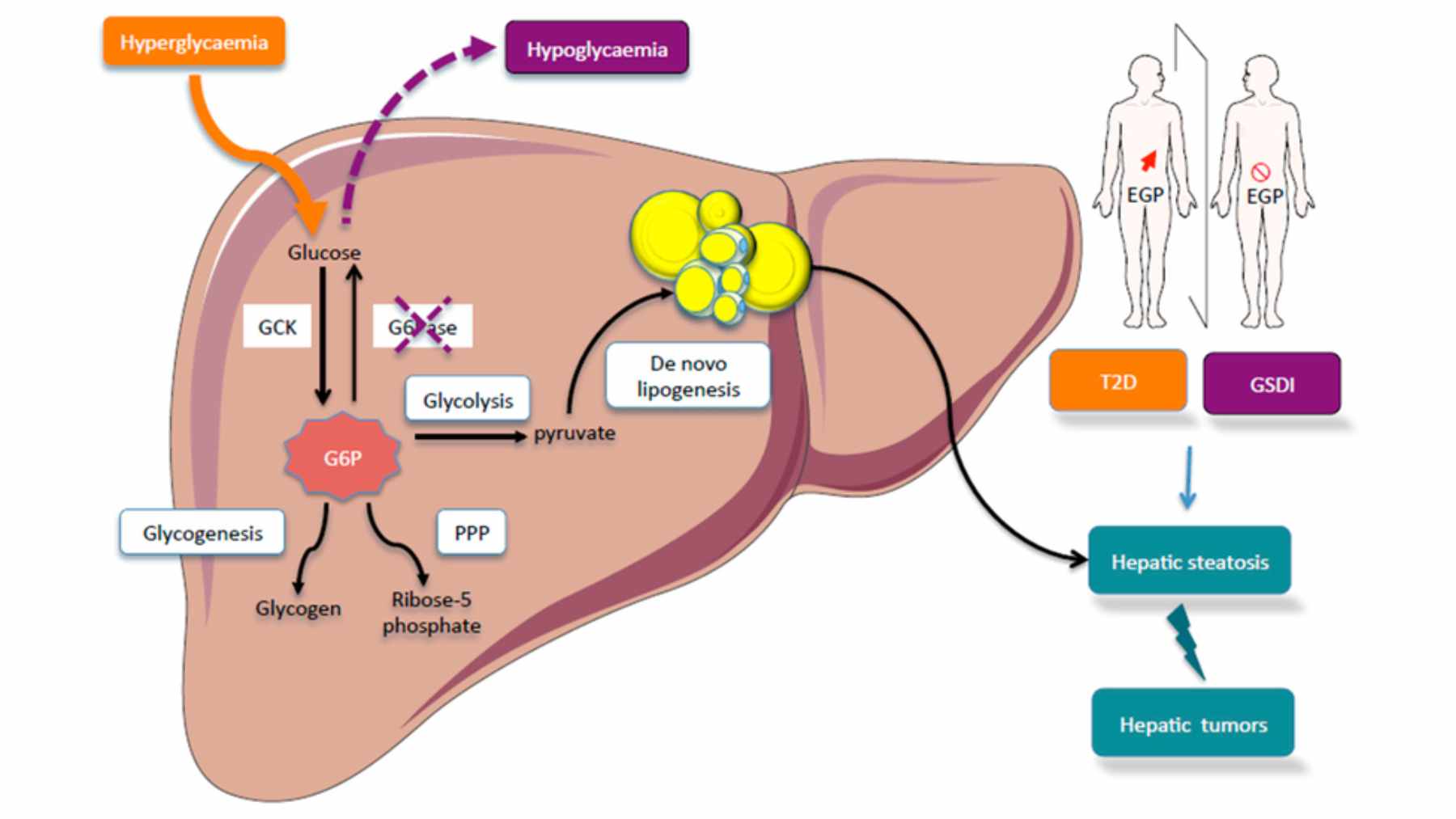
Fernández Ligero explains that around the twelve hour mark without food, the body starts using glycogen, a stored form of carbohydrate kept mainly in the liver and muscles, as its first reserve energy source. As the fast continues, the body increasingly turns to fat to keep blood sugar stable.
Human studies suggest that between twelve and twenty four hours of fasting often lowers blood glucose by roughly twenty percent and significantly depletes glycogen stores. That shift nudges the body toward burning fatty acids and producing ketone bodies, which become an alternative fuel for the brain and other tissues.
In everyday terms, that might simply mean finishing dinner a bit earlier, skipping late night snacks in front of the television, and not eating again until breakfast the next morning.
When autophagy and “cellular cleaning” ramp up
After roughly fourteen to sixteen hours without calories, Fernández Ligero describes a stronger push into autophagy, the built-in recycling system where cells break down and reuse damaged components. He likens it to a cleaning phase where inflamed or worn out parts are tagged and removed so tissues can repair.
Scientists point out that autophagy never fully shuts off, but fasting, exercise, and other stresses can increase its activity. Work in animals and early human studies suggest that intermittent fasting can stimulate autophagy, improve insulin sensitivity, and reduce some markers of inflammation, especially in people with overweight or obesity.
How often and how long?
On a practical level, Fernández Ligero recommends at least twelve hours of fasting each day, stretching to sixteen on quieter days. He suggests an eighteen hour fast about once a month, often after an indulgent dinner, and for people with more severe inflammatory problems he proposes a twenty four hour fast every three or four months to deepen cellular recycling.
Large reviews of intermittent fasting strategies published in recent years find that these approaches can produce weight loss and improvements in waist circumference, blood lipids, and blood pressure that are broadly comparable to traditional calorie restriction plans for adults with excess weight.
Not a harmless trend for everyone
At the same time, newer research highlights possible downsides if fasting is taken too far. A recent review in Endocrine Reviews notes potential risks such as bone loss, menstrual disturbances, and excessive drops in energy expenditure when fasting is prolonged or poorly supervised, and it calls for longer and better designed trials.
Observational studies have also reported that very tight daily eating windows under eight hours might be linked with higher cardiovascular mortality compared with more typical twelve to sixteen hour eating spans, although these data are preliminary and cannot prove cause and effect.
Health guidance from institutions such as Harvard T H Chan School of Public Health and Mayo Clinic stresses that intermittent fasting is generally not advised for children and teenagers, people who are pregnant or breastfeeding, many individuals with diabetes, or anyone with a history of eating disorders, unless closely monitored by a clinician.
In other words, for many adults a gentle overnight fast that lasts twelve hours and keeps late night grazing in check may be a realistic way to give the gut and metabolic system a break. Multi-day fasts or aggressive schedules are closer to medical interventions and deserve the same level of caution.
The review was published in Endocrine Reviews.