Bats often get blamed whenever talk turns to the next pandemic. A new global study suggests the story is more complicated and, in some ways, more hopeful. Only a handful of bat families seem to carry most of the viruses with real epidemic punch, and the greatest danger appears where those bats are pushed into closer contact with people.
So where is the real risk hiding?
Researchers led by Caroline Cummings at the University of Oklahoma analyzed almost 900 mammal species and more than one hundred human infectious viruses. They calculated a single score for each host that they call “viral epidemic potential” which combines how severe the disease is, how easily it spreads, and how many deaths it has caused.
Since more than 70% of emerging infectious diseases start in animals, knowing which hosts cluster at the top of that scale matters a lot.
Not all bats carry the same viral burden
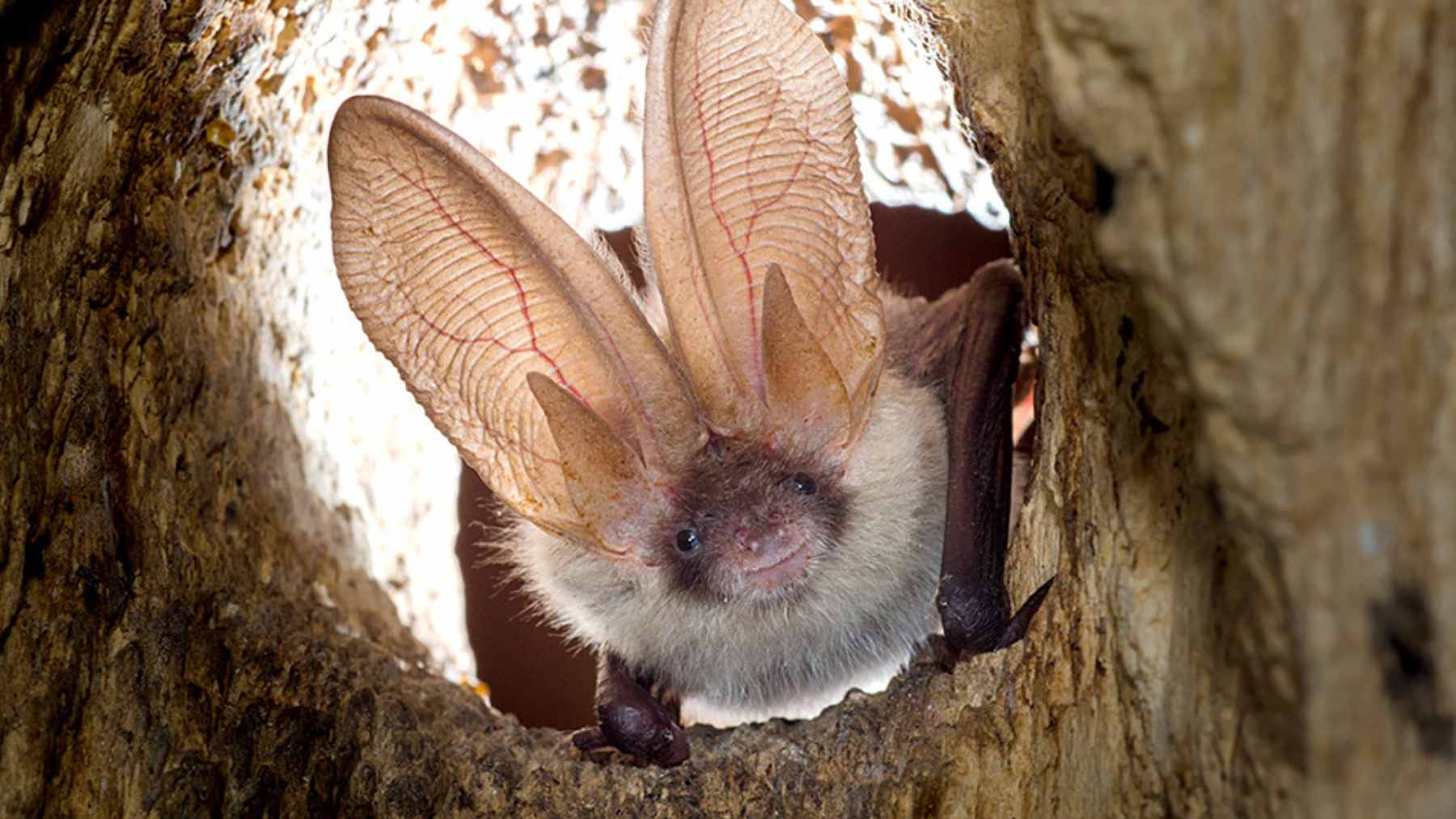
When the team mapped those scores onto the mammal family tree, bats as a whole did not stand out as uniquely dangerous. Instead, high scores concentrated in specific bat lineages. Horseshoe bats in the family Rhinolophidae and several insect-eating families such as Vespertilionidae, Molossidae, and Emballonuridae showed consistently higher viral epidemic potential than other groups.
Many of these species are common, widespread, and comfortable roosting in barns, bridges, and buildings where people live and work. As Cummings puts it, “Instead of all bats carrying all dangerous viruses, it is only specific bats.”
When human pressure flips the switch
The next step was to lay bat ranges on top of a global map of human impact. Hotspots popped out in parts of Central America, coastal South America, equatorial Africa, and Southeast Asia where high-risk bat families overlap with intense land use and infrastructure.
In practical terms, that means deforestation, expanding farms, new roads, and towns pushed into forests are what turn a quiet bat roost into a spillover risk. The trouble often starts when stressed animals shed more virus and their caves or roof spaces sit right above livestock pens or crowded markets.
Protecting bats protects people
The study also undercuts the idea that killing bats will keep us safe. Cummings notes that “If we lost bats, agricultural production would be negatively affected, and so would economies” since many species eat crop pests or pollinate fruit trees. Other research has warned that destroying colonies can increase stress and movement, sometimes boosting virus circulation instead of reducing it.
At the end of the day, what this work really does is offer a more precise playbook. Health agencies can focus surveillance on a narrower set of bat families and high-pressure regions, while still watching rodents, primates, and livestock that carry their own risky viruses. Conservation planners can treat intact forests, stable roosts, and lower human pressure as part of disease prevention, not just wildlife protection.
The study was published in Communications Biology.