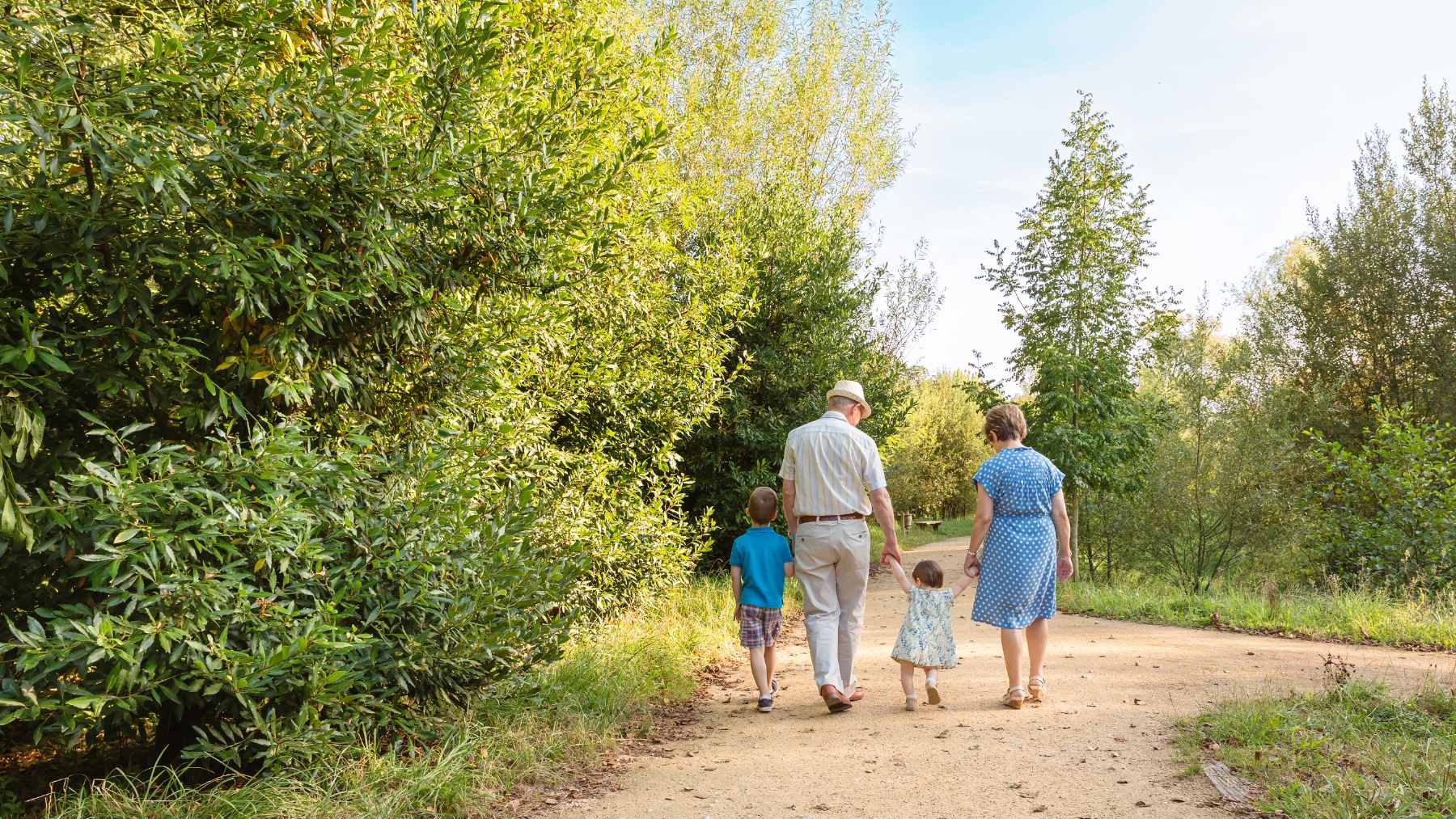
Running after the grandkids might do more than wear out your knees. A new study of nearly 2,900 older adults in England finds that grandparents who care for their grandchildren tend to score higher on memory and language tests, and caregiving grandmothers appear to experience slower cognitive decline over time.
For anyone who has juggled school pickups and story time, that result sounds familiar. Looking after a child pushes you to stay organized, remember schedules and keep up constant conversation.
Researchers wanted to know whether that everyday mental workout shows up in brain health later on.
Study details from the english longitudinal study of ageing
The study, led by developmental psychologist Flavia S. Chereches at Tilburg University, used data from the English Longitudinal Study of Ageing.
Researchers focused on 2,887 grandparents who completed cognitive tests and detailed questionnaires three times between 2016 and 2022.
First, the scientists asked whether grandparents had cared for a grandchild in the past year and what that looked like in real life. Playing games, helping with homework, preparing meals, driving to school or activities, staying overnight and caring for a sick child all counted as caregiving.
Then they measured thinking skills with short tasks that asked participants to name as many animals as possible in one minute and to remember a brief list of words right away and later, capturing verbal fluency and episodic memory.
Memory, verbal fluency, and cognitive decline results
When the researchers compared caregiving grandparents with similar grandparents who did not provide childcare, the caregivers came out ahead. They performed better on both memory and verbal fluency tasks, and that advantage held even after the team adjusted for other factors.
The pattern appeared for both grandmothers and grandfathers.
Over the follow up period, grandmothers who cared for grandchildren showed a slower decline in cognitive scores than women who did not provide care. Grandfathers who helped with childcare started out with higher scores than non-caregiving men but declined at about the same rate.
One finding may surprise families who rely heavily on grandparent help. Among caregiving grandparents, those who pitched in almost every day did not have better scores than those who helped less often.

Certain activities, such as homework help or leisure time together, and a wider mix of tasks were linked to higher scores at the start, yet they did not clearly slow decline.
What families should know about healthy aging
The authors caution that these results show associations rather than proof that babysitting keeps the brain young. Sharper, healthier grandparents may simply be more likely to take on complex childcare, and the study could not fully capture whether caregiving felt like a joyful choice or a stressful obligation.
Even so, the work suggests that staying socially and mentally engaged with grandchildren may support healthy aging, especially when the role is shared and feels manageable.
Helping with a school run or the occasional sleepover will not replace medical care or exercise, but it might be one more everyday habit that quietly helps keep the mind in motion.
The study was published in Psychology and Aging.