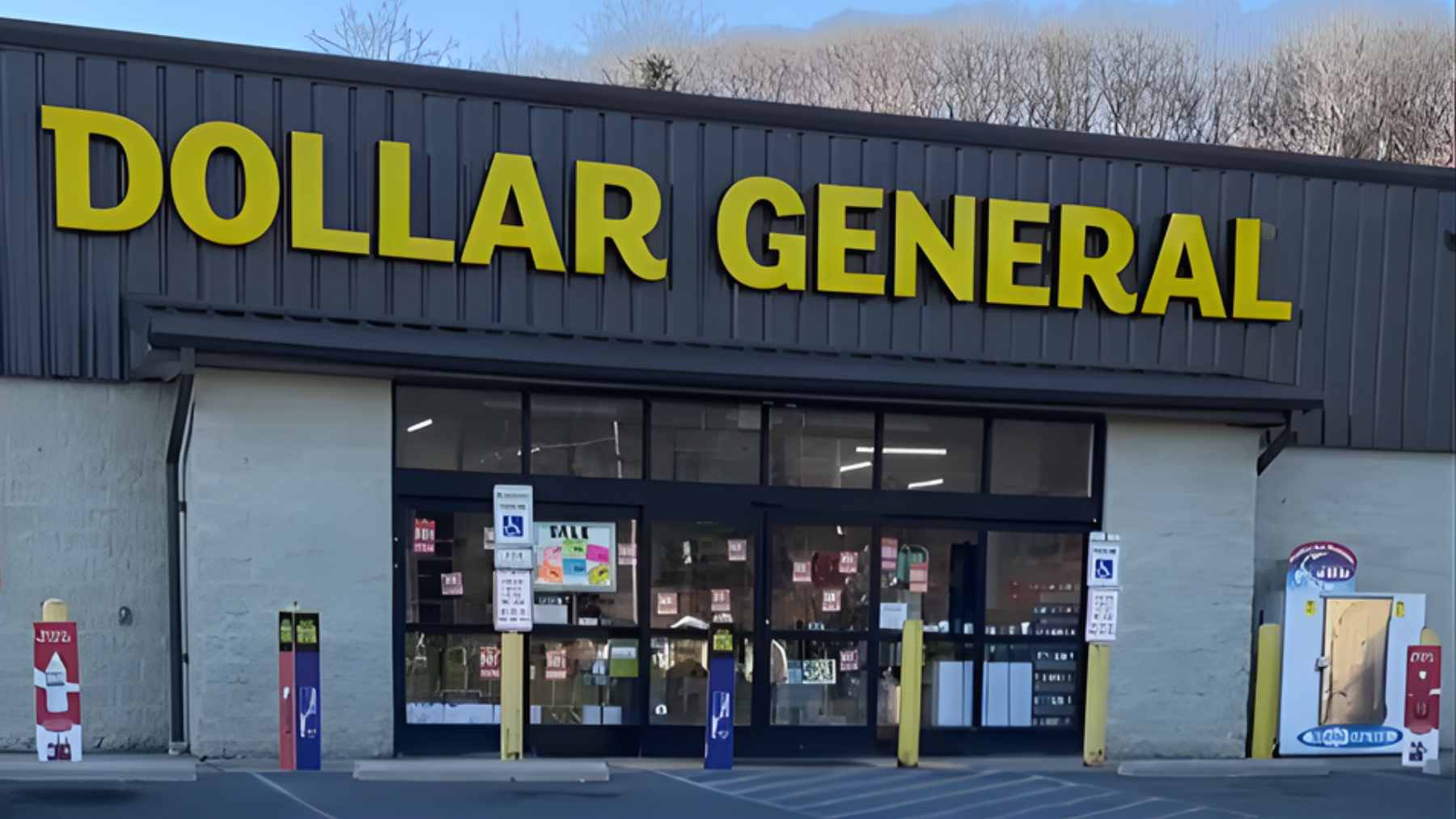
For anyone who has grabbed a few things at the dollar store and only glanced at the receipt in the parking lot, this news hits close to home. Retailer Dollar General has agreed to fund an $8.5 million cash pool as part of a national class action settlement over claims that customers were charged more at the register than the prices advertised on store shelves.
If the deal receives final court approval, many shoppers could see up to $20 back per household in cash, along with a separate in-store discount worth $3 on a future purchase.
Who is covered and what you could receive
The settlement covers all consumers in the United States who paid more or less than the shelf price for merchandise at a Dollar General store between October 10, 2016 and November 19, 2025.
Two kinds of benefits are on the table:
First, there is cash. Shoppers who can show either a documented complaint to Dollar General or a government agency at the time of the overcharge, or clear proof such as photos or receipts, may receive $10 or the actual amount of the overcharge for each approved incident.
The higher of the two amounts applies, up to two incidents per household. The result is a maximum of $20 in cash or the total amount of proven overcharges if that figure is higher.
Second, every settlement class member is eligible for a one-time, in-store benefit. That benefit is a $3 discount on the first $10 of a qualifying purchase of at least $10 before tax, redeemable during a two-day window at any store nationwide. No evidence of an overcharge is required for this discount, although some items such as alcohol and tobacco will not qualify.
Any checks that go uncashed will not flow back to the retailer. Under the settlement, they will instead be donated to a national food bank organization, a small nod to shoppers who often buy groceries at dollar stores to stretch tight budgets.
How and when to claim
The settlement is tied to a case in New Jersey state court and is being administered through the official website DGPriceSettlement.com.
To seek a cash payment, class members must submit a claim form online or by mail and include documentation that shows the shelf price, the price paid, the store location, and the date of purchase, along with either a past complaint or contemporaneous proof such as a photo.
The deadlines matter:
- Claims for cash payments or registration for the in-store discount must be received or filed by April 13, 2026.
- Shoppers who want to opt out of the settlement or formally object need to do so by March 2, 2026.
- A final approval hearing is scheduled for March 19, 2026 in New Jersey.
Some customers are already seeing emails about the settlement in their inboxes. Local coverage notes that shoppers who received an official notice can often activate their benefits with a notice ID and confirmation code, while others will have to register manually.
A pattern of pricing problems
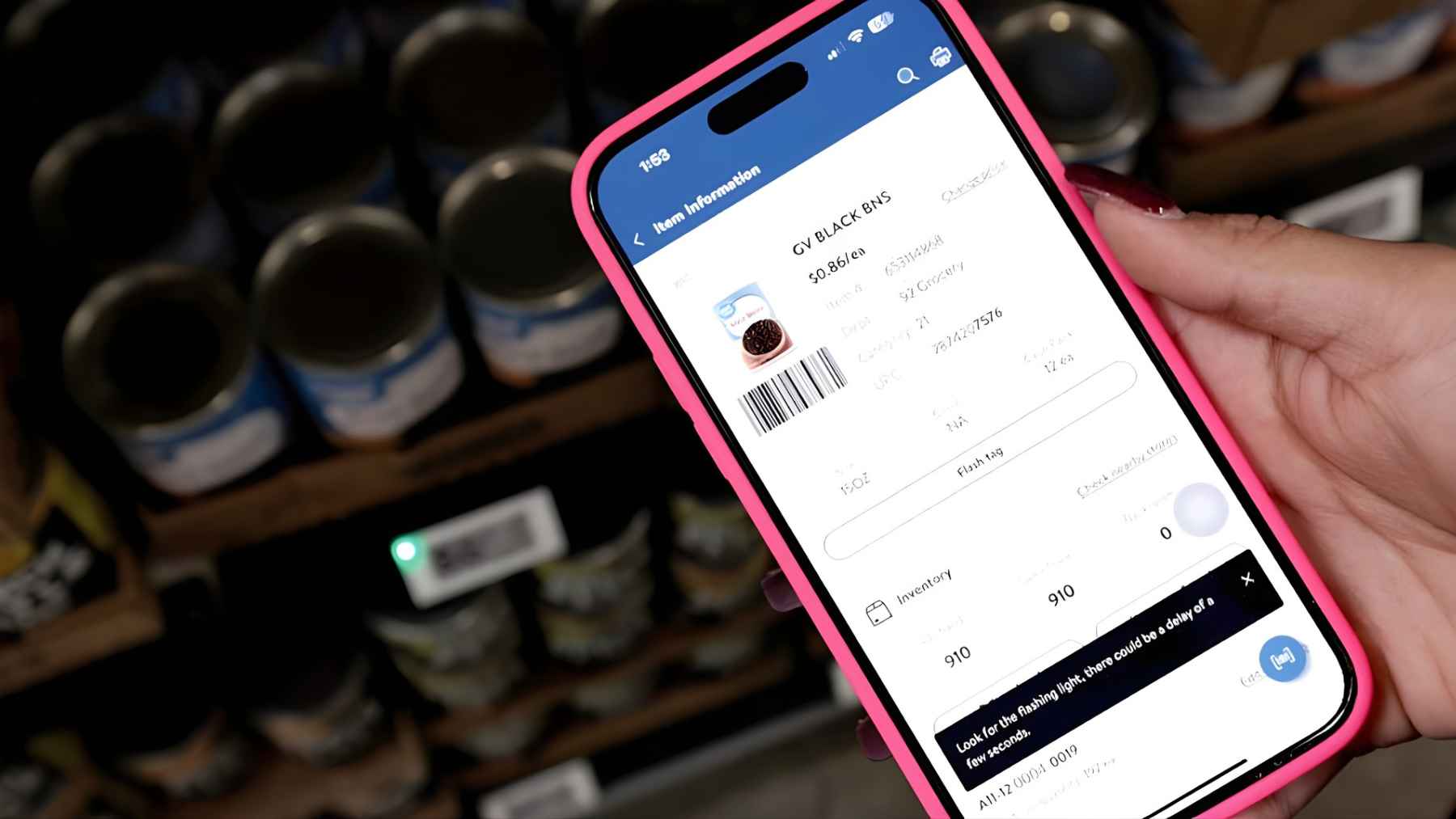
This settlement does not come out of nowhere. Investigations and lawsuits over the last few years have repeatedly found mismatches between shelf prices and what rang up at the register at dollar store chains, including Dollar General.
An in-depth series from The Guardian reported that Dollar General stores failed thousands of government price accuracy inspections across more than twenty states, often in rural towns and low-income neighborhoods where shoppers have few alternatives. For families watching every cent of the grocery bill, small overcharges on staples can add up quickly.
As part of the legal resolution, Dollar General has also agreed to injunctive relief valued at $6.5 million. For at least two years starting in mid 2025, the company will fund third-party pricing audits, assign staff to track pricing errors, and send regular reports to its corporate office.
In practical terms, that means more eyes on shelf tags and scanners in the very aisles where many shoppers rarely think to double check.
Expansion continues while the case moves forward
Even while dealing with the settlement, Dollar General remains in expansion mode. The chain reported net sales of about $10.6 billion in the third quarter of 2025, a 4.6% increase from a year earlier, and operates more than twenty thousand stores.
For the fiscal year that runs through January 2027, executives plan roughly 4,730 real estate projects, including about 450 new US stores, some ten locations in Mexico, and more than 4,000 remodels under the company’s Project Renovate and Project Elevate programs.
Same-day delivery through its myDG Delivery service is also being expanded to more than 17,000 locations, a push that aims to bring app-based shopping to small towns that do not have many big box options.
So while the company is agreeing to pay for past pricing issues, it is also betting heavily that customers will keep showing up, online and in person.
What shoppers can do now
For most people, the immediate questions are simple. Am I covered, and how do I make sure I do not leave money on the table?
Anyone who shopped at Dollar General during the class period and suspects an overcharge can start by gathering old photos, emails, or receipts if they exist, then visiting the settlement site to see whether those documents meet the evidentiary standard.
Even if you never noticed a price mismatch, it can still be worth registering for the modest $3 discount once the redemption window is announced, especially if you already use the company’s app at checkout.
More broadly, the case serves as a reminder to glance at the screen when the cashier scans your items and to speak up when the number does not match the shelf label. In an era of rising prices and stretched paychecks, that quick pause at the register can be a quiet act of self defense.
The official notice was published on DGPriceSettlement.