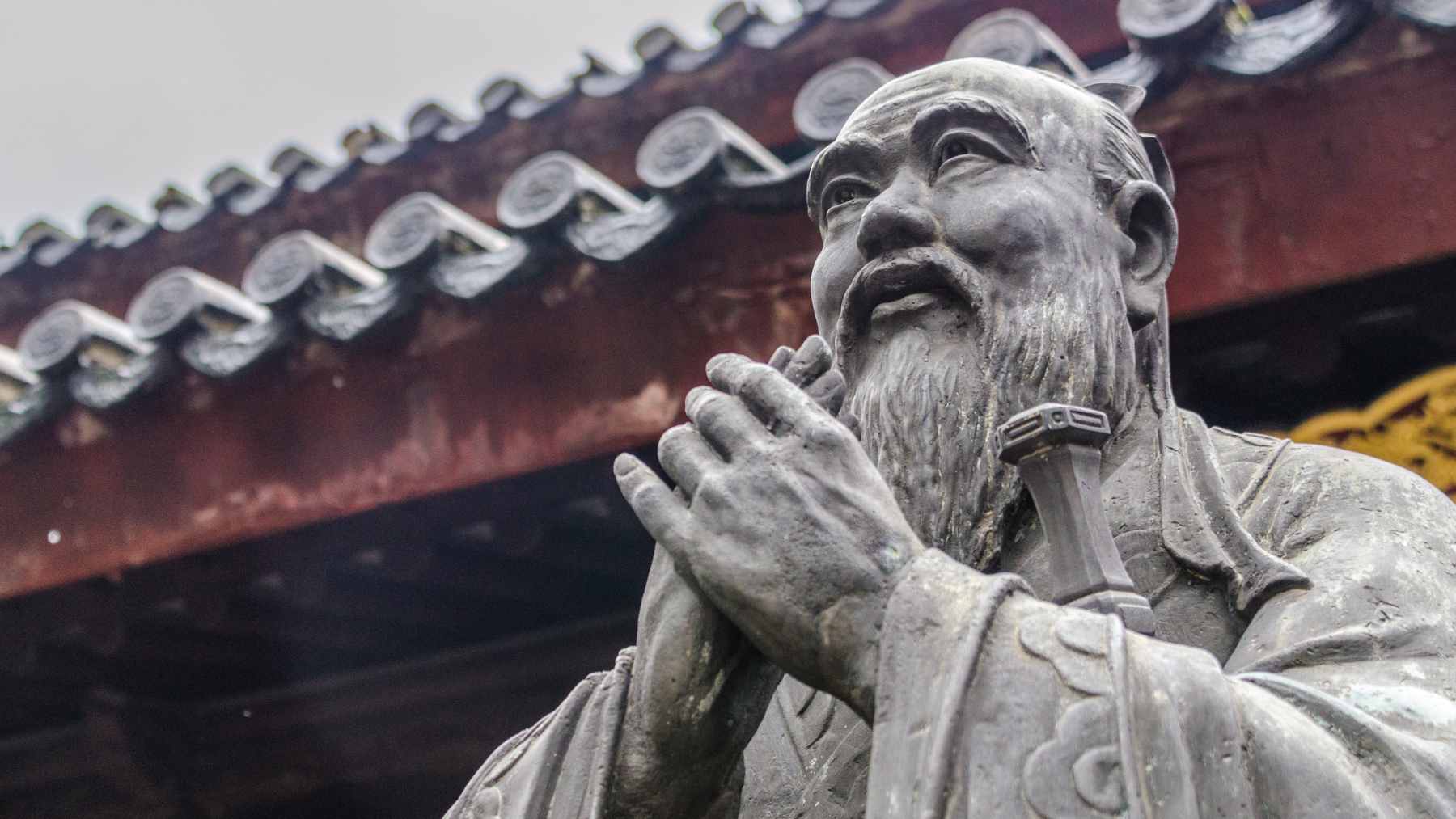
As another year of bold resolutions gets underway, an old line keeps popping up on social media and even in business headlines. The Chinese philosopher Confucius is widely credited with saying, “The man who moves a mountain begins by carrying away small stones.”
A recent feature in The Economic Times highlighted the quote as its New Year message, framing it as a roadmap for tackling overwhelming goals.
At first glance, it sounds like just another motivational slogan you might scroll past between emails. Look a little closer and it is something tougher.
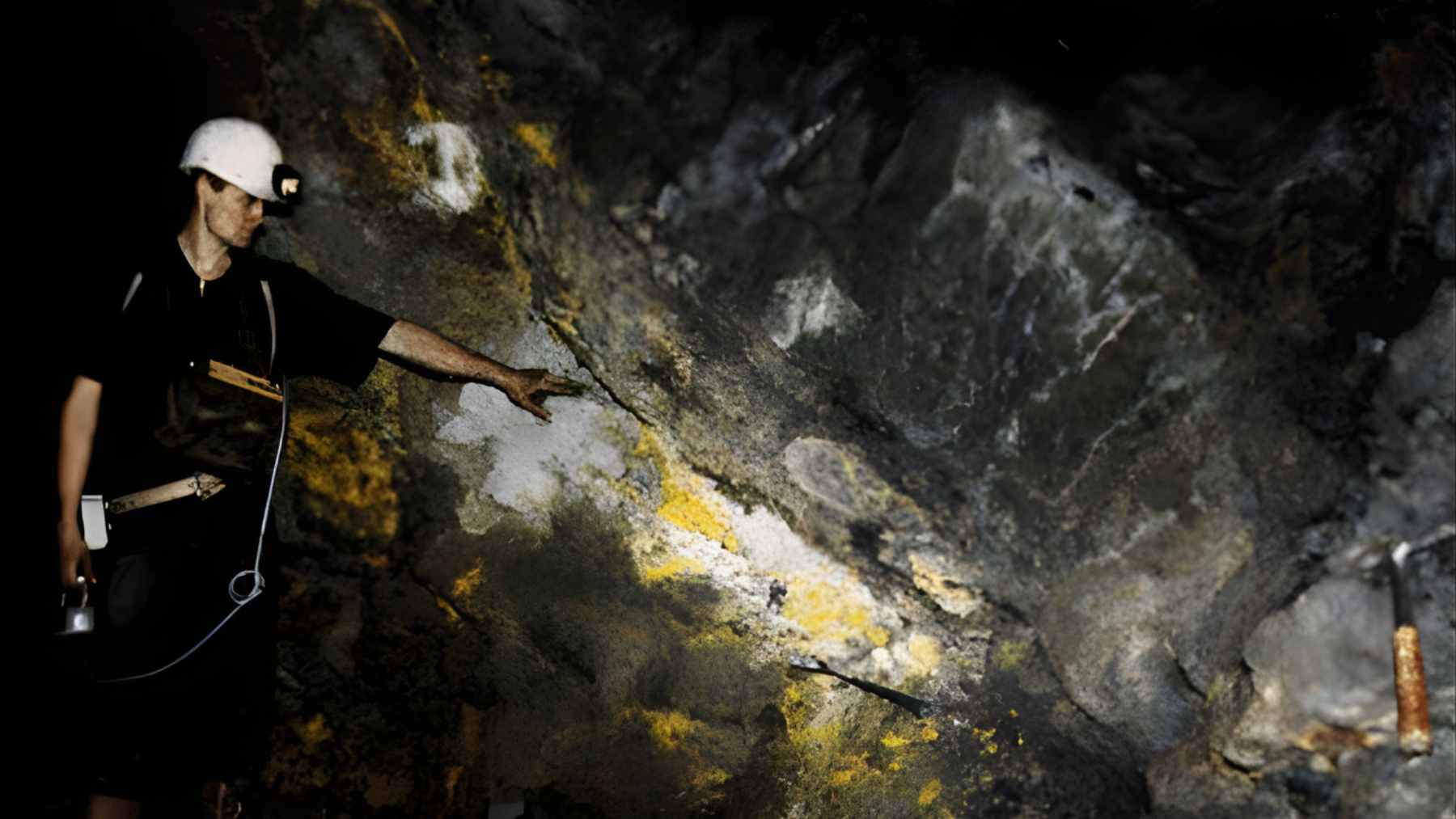
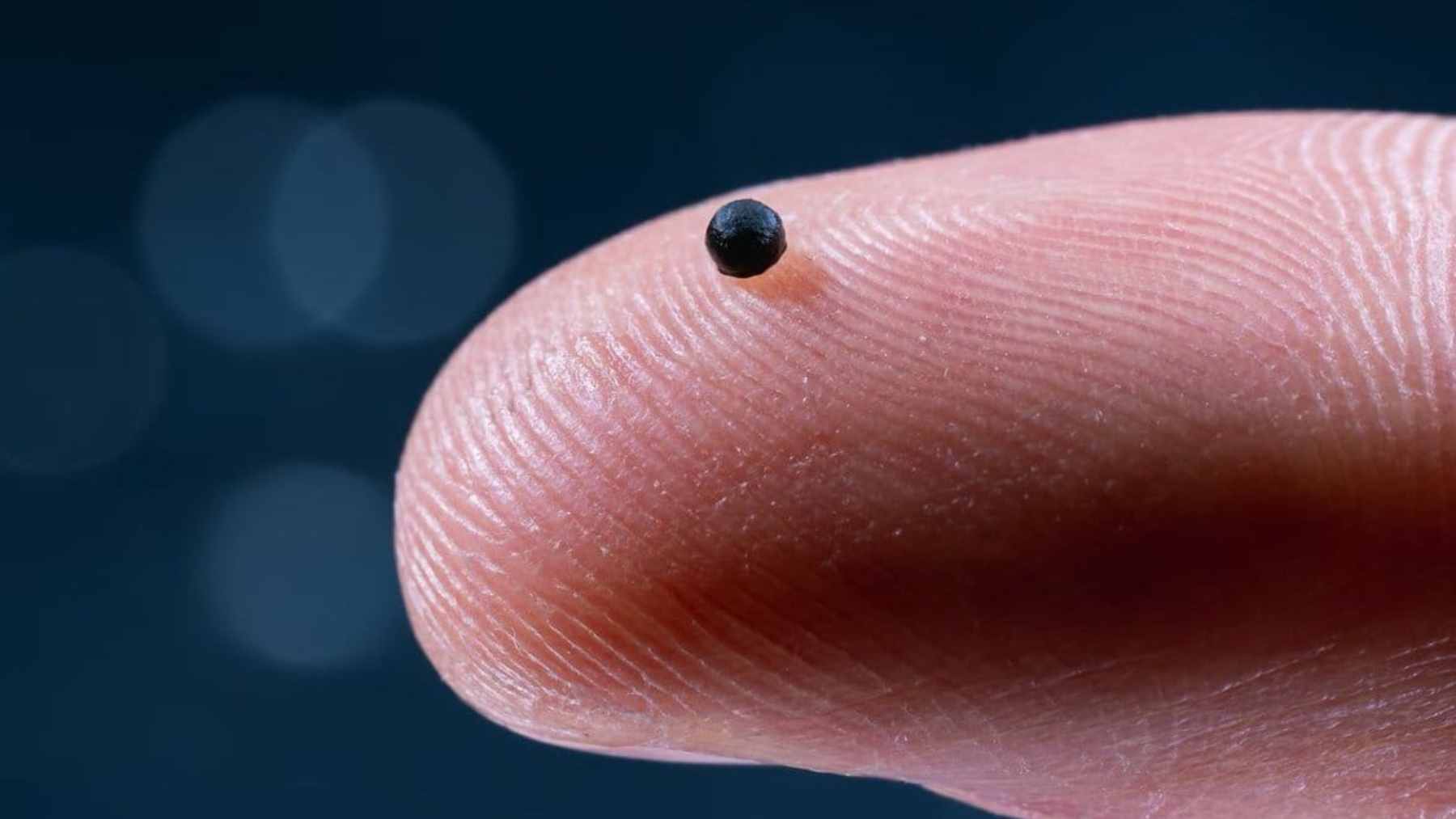
The mountain stands for everything that feels impossible right now: a new career, a healthier body, a more stable bank account, or even a calmer mind. The stones are the quiet, almost invisible actions you repeat on ordinary days when no one is watching.
Confucian thinking focuses on the path rather than the victory photo at the top. Progress, in this view, is built from habits that line up with your values, not from one dramatic burst of effort. The message is uncomfortable in a world that loves overnight transformations.
Real progress is slow. The first steps barely show. The fatigue usually arrives long before the results.
Habit formation science behind small wins
So why do so many people give up halfway through February, gym memberships and language apps gathering dust while the mountain still looms in the distance? Often it is because we underrate tiny advances and overrate heroic pushes.
Confucian perseverance is not blind stubbornness. It is staying oriented toward the same goal while you adjust tactics, learn, and keep carrying stones that actually move the pile.
Science is increasingly backing up this ancient intuition. A 2024 systematic review of twenty habit formation studies in the journal Healthcare found that health habits took around two months on average to become automatic, with individual cases ranging from a few weeks to nearly a year, yet interventions still produced a clear jump in habit strength.
In other words, repetition in a stable routine really does change behavior, just more gradually than the catchy “twenty one days to a new you” promises.

Behavior scientist BJ Fogg at Stanford University has argued that big lifestyle overhauls demand high motivation, which naturally swings up and down, while very small actions that fit into existing routines can become automatic with much less inner drama.
That could mean doing two pushups after brushing your teeth or pouring one extra glass of water when you walk into the kitchen. On paper it looks trivial. In the brain it is another stone on the same side of the scale.
Workplace research on “small wins” points in the same direction. Psychologist Teresa Amabile studied thousands of daily diaries from knowledge workers and found that people felt most creative and motivated on days when they made even minor progress on meaningful work, more than on days of big bonuses or praise. Small steps did not just build habits. They built confidence.
Digital health researchers are also finding that goals work best when they are paired with concrete plans and repeatable actions. A 2025 study of a multi-behavior coaching app reported that goal setting alone did not reliably shift exercise, diet, or alcohol use.
It became more effective when combined with action planning, habit cues, and problem solving, which helped people translate intention into small daily moves. That sounds very close to carrying stones instead of simply staring at the mountain.
Practical tips for 2026 goals and lasting habits
What does all this mean for your own 2026 promises? It suggests starting embarrassingly small. If the mountain is debt, the stone is an automatic transfer of a few dollars each week.
If the mountain is burnout, the stone might be a five minute walk after lunch or a rule that your phone sleeps in another room. If the mountain is learning a new skill, the stone is ten minutes of focused practice before you open your inbox.
To a large extent, the hard part is accepting that these moves will look insignificant at first. There will be days when you feel silly logging a tiny victory while the big problem still looms. Yet habit science, workplace psychology, and an old Confucian image all point to the same quiet truth. Over time, the pile of stones becomes the missing path.
The study was published in Healthcare.