Can you fight crime with coworking tables, youth workshops, and a bank of security cameras all under one roof? That is the experiment about to start in the Chilean commune of La Florida, where the local government plans six new neighborhood security centers modeled on community hubs from El Salvador.
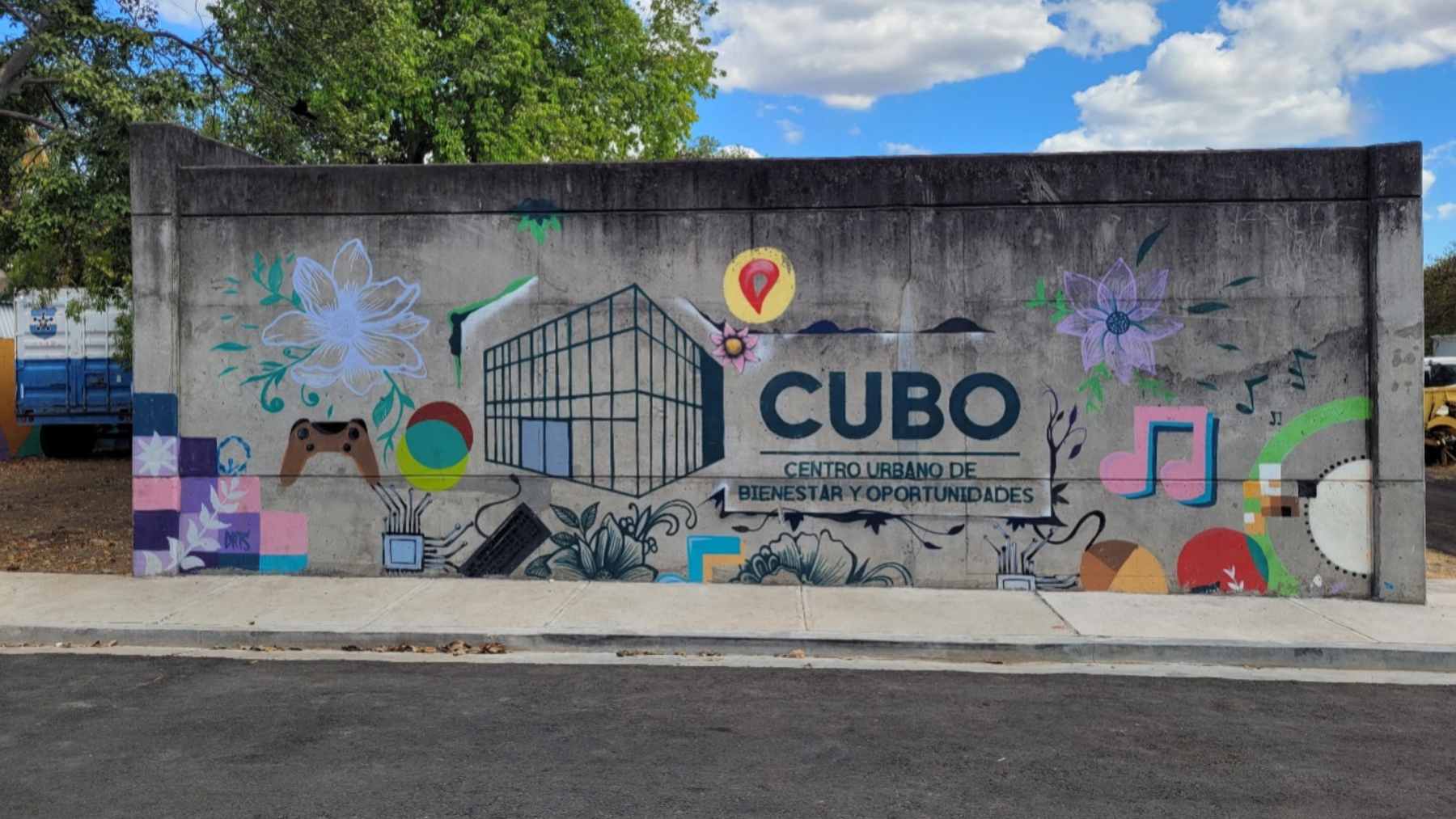
The facilities, called Centros de Seguridad Ciudadana, are inspired by the Centros Urbanos de Bienestar y Oportunidades (CUBO) promoted by Nayib Bukele. Mayor Daniel Reyes visited San Salvador during his 2024 campaign and came back determined to adapt the idea.
According to municipal statements reported by Chilean media, each center will mix community spaces and municipal services with hard security tools such as surveillance cameras and on the ground patrols, all focused on a specific cluster of blocks.
Where the centers will be built and what they include
In this first stage the six buildings will be spread across key intersections that residents know well from their daily commutes, including Las Perdices with Macul Alto, El Hualle with Rojas Magallanes, Santa Amalia with Avenida La Florida, Vicuña Mackenna with Diego Portales, Los Quillayes with Santa Raquel, and Las Gardenias with Santa Raquel.
Two of them, in El Hualle sur with Rojas Magallanes and in Los Quillayes with Santa Raquel, are already above 85% complete, with the rest expected to open during the first half of 2026.
Inside, neighbors will find rooms for workshops and residents meetings, desks for municipal guidance and social support, coworking areas linked to the local Vive La Florida neighbor card, plus digital monitoring rooms watching the surrounding streets.
For many families in La Florida, the promise targets a very concrete worry. A private security data analysis based on official figures counted 524 robberies in the commune in 2023 and 570 in 2024, a rise that feeds the nightly fear of walking home from the bus stop.
Another ranking that combines homicides, organized crime indicators, car theft and public perception places La Florida among the five communes with the highest structural risk in Chile.
El Salvador’s CUBO model and Plan Control Territorial
The blueprint that Municipalidad de La Florida is borrowing grew out of the second phase of El Salvador’s Plan Control Territorial.
In that phase, branded Oportunidades, the government created Centros Urbanos de Bienestar y Oportunidades (CUBO) as modern buildings in gang-affected neighborhoods, with libraries, computer labs, game rooms and classrooms where children and teenagers can spend time away from crime and recruitment.
The Salvadoran Ministry of Security describes them as places to foster peace and rebuild the social fabric, while UNHCR reports co-funding equipment for several CUBO sites as part of violence-prevention work with displaced communities.
Bukele crackdown debate and the political stakes in Chile
At the same time, Bukele’s broader security project is not limited to community centers. Since a state of emergency began in 2022, authorities in El Salvador have arrested more than 80,000 people and built a massive new prison complex.
International reports credit these measures with driving homicides down to about 1.9 per 100,000 inhabitants in 2024, one of the lowest rates in the hemisphere, but they also document arbitrary arrests, deaths in custody and abuse of minors, concerns echoed in coverage of harsh prison conditions.
That contrast is part of what makes La Florida’s choice so politically loaded. The commune is importing the softer, preventive side of the Salvadoran model while Chilean national politics still debate harsher tools such as tougher sentencing and new prisons.
What happens next for La Florida residents
Mayor Reyes has already pitched the project to conservative presidential figure José Antonio Kast as a template that could scale beyond one suburb, at the same time that critics abroad question Bukele’s confrontational style.
For residents, what will matter is less the branding and more whether the new hubs feel like living rooms for the neighborhood or simply another outpost of enforcement.
Will kids really stay late to use computers and take classes? Will older neighbors feel safe enough to show up at evening meetings instead of locking the gate and staying inside. Those answers will only come once the doors open and the lights in the monitoring rooms stay on through more than one budget cycle.
The news report was published on Emol.