China has just locked in a powerful new safety net for its electric vehicle industry. The country’s competition authority has cleared a long-negotiated lithium joint venture between Chilean state miner Codelco and producer Sociedad Química y Minera de Chile (SQM), while writing in strict guarantees that shipments of Salar de Atacama lithium to customers in China keep flowing even in times of stress.
China approval strengthens lithium supply security
On November 10, 2025, State Administration for Market Regulation (SAMR) granted its approval, a step Codelco described as the last major international requirement before the joint venture fully starts operating and the Chilean state begins producing lithium directly.
Regulators in Chile and other key markets had already signed off earlier in the year, so Beijing’s green light removed the final external obstacle.
Unlike those earlier approvals, Beijing attached detailed conditions. SAMR’s decision requires Codelco, SQM and their future joint venture to make reasonable efforts to keep lithium carbonate deliveries going to Chinese customers and not to refuse, restrict or delay those shipments when supply is disrupted.
The agency says it consulted government bodies, industry groups, rival producers and battery manufacturers before signing off, a sign of how sensitive lithium has become for the country’s battery sector.
Why the Salar de Atacama matters for global batteries
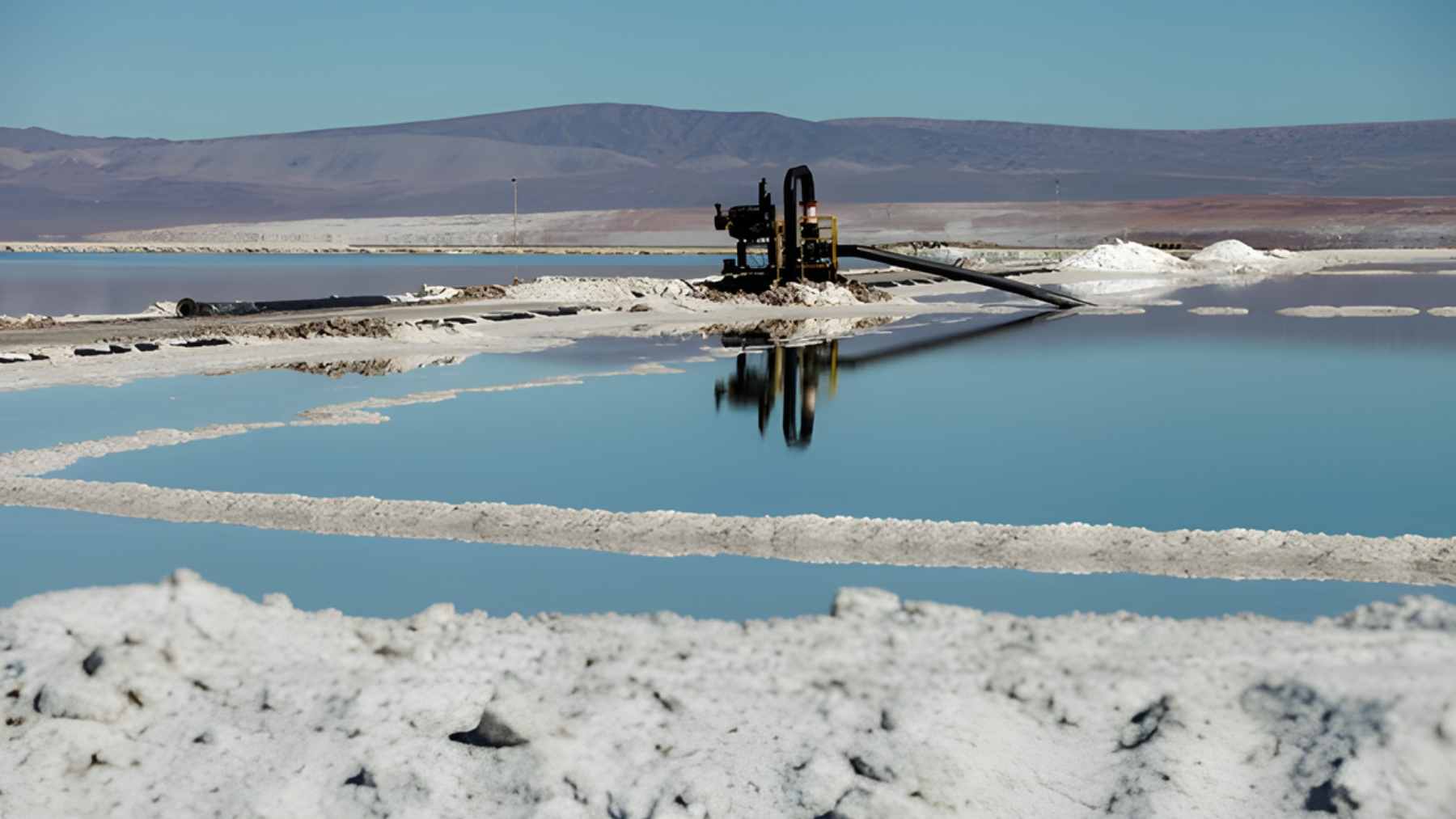
That kind of language may sound technical, but the stakes are very concrete. Company data indicate that the Atacama salt flat supplied about 23% of global lithium output in 2019 and sits in a region that holds more than 60% of known world reserves of the metal used in phone batteries, grid storage and electric cars.
Chile’s nuclear regulator has already authorised extraction of 2.5 million metric tons of lithium metal equivalent between 2031 and 2060, with an option to raise that to 3.02 million tons, which would allow annual production of up to 330,000 tons of lithium carbonate equivalent if environmental permits are granted.
What this could mean for consumers and EV prices
What does that mean for the rest of the world, far from the blinding salt crust and evaporation ponds of northern Chile? In practical terms, a large share of the metal inside future electric car batteries, home storage packs and even the phone in your pocket could come out of this one public private partnership, with Chinese regulators already spelling out how their manufacturers should be treated.
Chile lithium strategy and political pressure
For Chile’s government, the joint venture is the flagship of its National Lithium Strategy, which puts Codelco in a controlling position while relying on SQM’s technical know-how and existing operations in the salt flat.
Officials argue that this model will boost public revenues and raise environmental and social standards around water use and community benefits in the desert.
Critics inside Chile see risks on the horizon. Lawmakers, presidential hopefuls and minority shareholder Tianqi Lithium have raised concerns about transparency, market concentration and corporate governance in a deal that could shape control of the Atacama deposit until 2060.
For now, Chinese battery makers gain extra comfort that shipments from one of the world’s richest lithium deposits will keep arriving even in bumpy years, while Chile tries to use the same partnership to turn a raw material boom into long-term public value and stronger oversight.
The official statement was published on Codelco’s website.