Most of us scrub the kitchen, sort the closet, even clean out old files on our phones. The highways that keep us alive, our arteries, rarely get the same attention. Yet when those vessels start to clog with fatty plaque, the risk of heart attack, stroke and circulation problems quietly climbs.
That is why vascular surgeon Dr Sumit Kapadia has been using social media and press interviews to hammer home a simple message. With three natural habits, many people can lower the odds of blocked arteries and protect their hearts over the long haul.
His advice does not replace medical treatment for serious disease. It is about stacking the daily habits in your favor, the same way regular tidying keeps a house from falling into chaos.
What really happens when arteries start to clog?
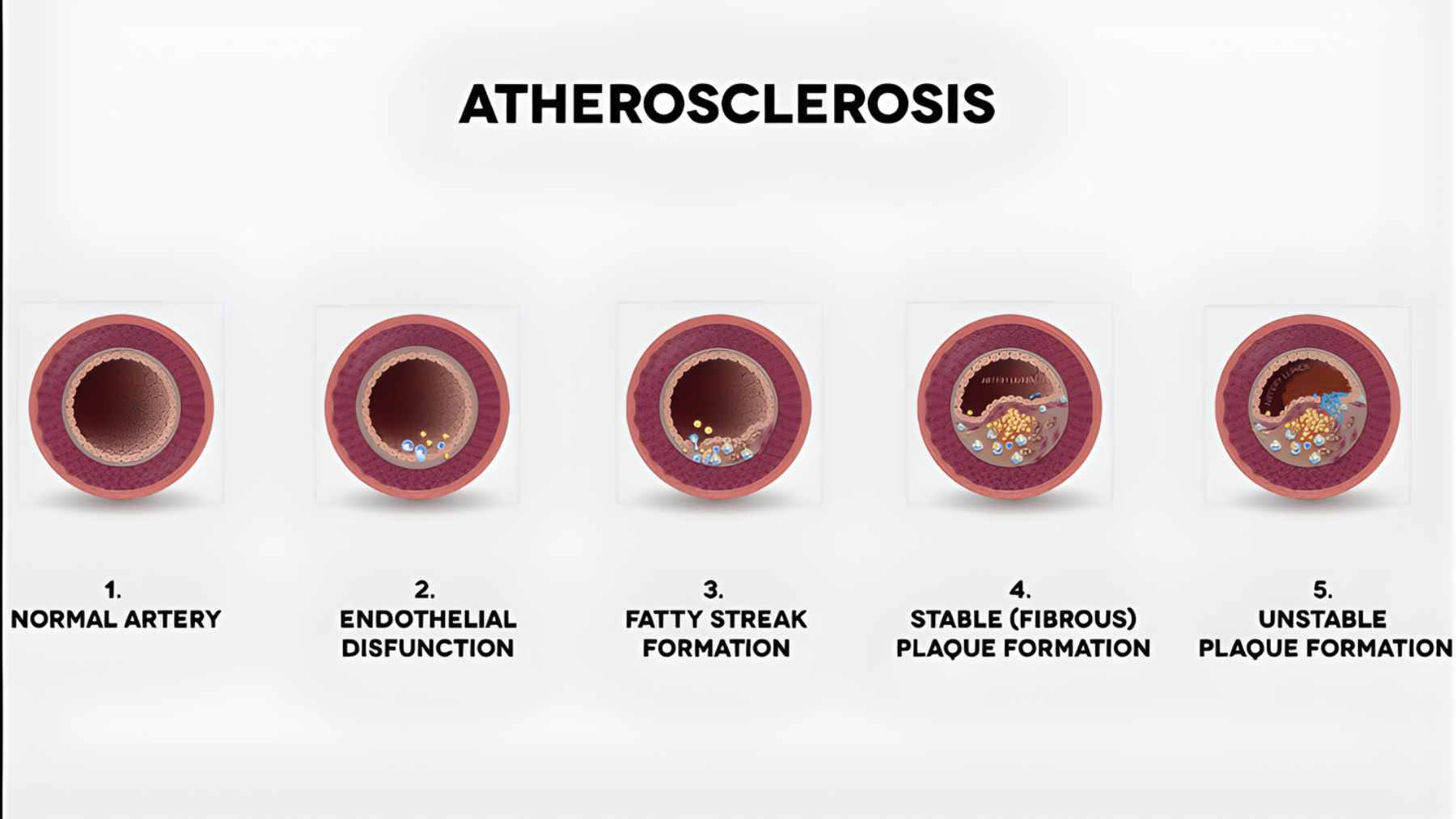
Doctors call it atherosclerosis. Over time, cholesterol, fats, calcium and cellular debris collect inside artery walls and form plaque. That buildup narrows the passage for blood, forces the heart to pump harder and can eventually trigger a heart attack or stroke if a plaque ruptures and causes a clot.
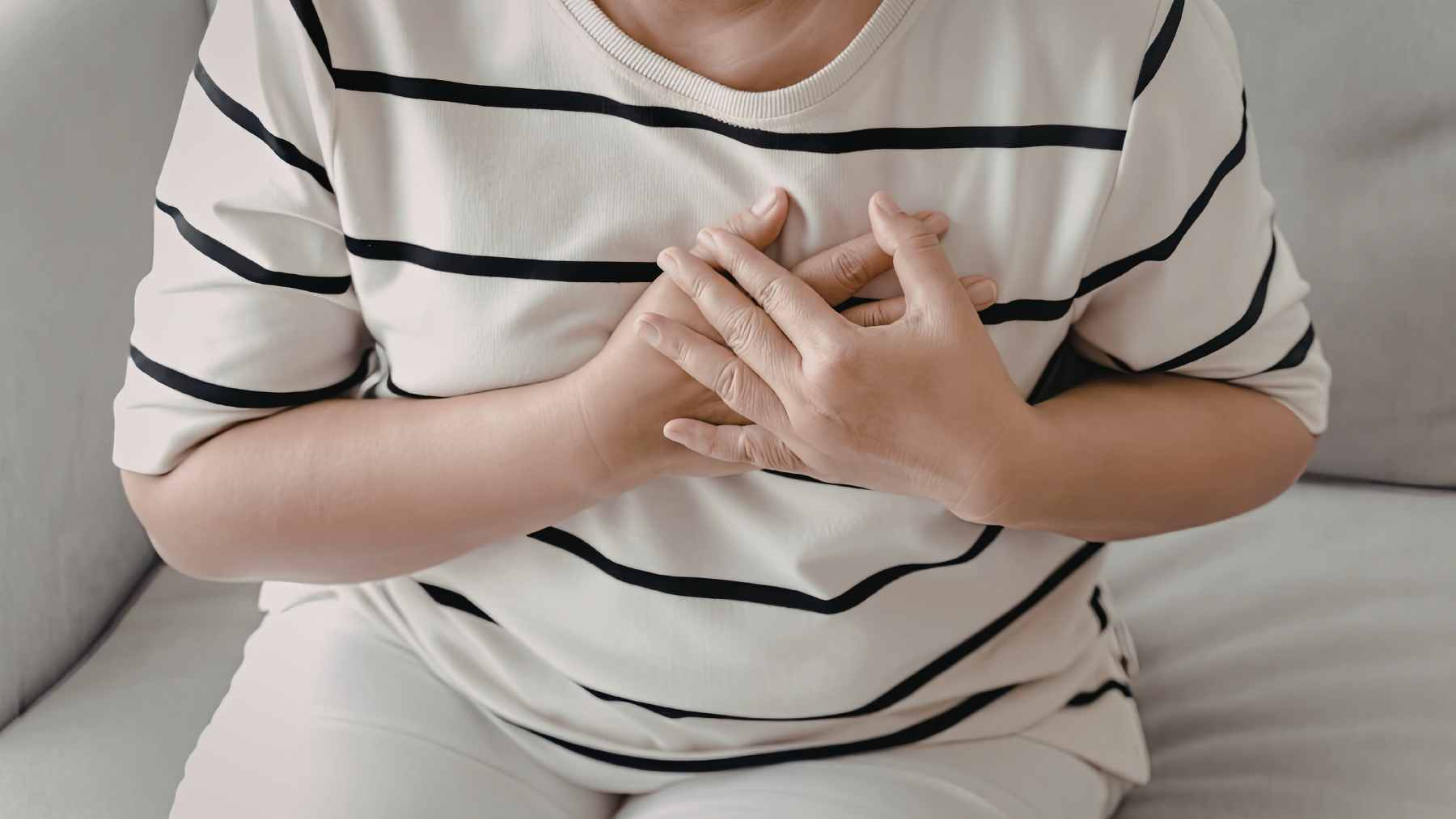
Early on, the warning signs can be subtle. People may feel chest pressure on a walk they used to handle easily, or notice they tire more quickly climbing stairs.
In the legs, poor circulation often shows up first as cramping or pain during activity that eases with rest, along with cold, pale feet or slow-healing sores. The good news is that lifestyle plays a big role in how fast this process moves.
First pillar for your arteries getting enough vitamin K2
According to Dr Kapadia, one key step is making sure you get enough vitamin K2 in your diet. This lesser known form of vitamin K helps activate a protein that keeps calcium from settling in artery walls and instead directs it toward bones, where it strengthens the skeleton.
Observational studies have linked higher K2 intake with less coronary artery calcification and better arterial flexibility. Some recent clinical trials have shown mixed results when researchers tried supplements in specific high-risk groups, so scientists are still debating how strong the effect really is.
Even so, many cardiology teams consider K2-rich foods a reasonable part of a heart-friendly pattern.
In everyday terms, that means more egg yolks, certain cheeses, full-fat fermented dairy, natto and other fermented foods on the plate. Anyone already taking blood thinners or managing a complex heart condition should check with their clinician before using K2 supplements.
Second pillar cutting back on refined carbs and sugary foods
Dr Kapadia also warns that the real long-term culprit for many arteries is not just fat. It is a steady stream of refined carbohydrates and added sugars. Think white bread, sweet snacks, pastries and sugary drinks that spike blood sugar and then crash it.
Large studies have found that diets packed with high-glycemic, low-fiber carbs are linked to more insulin resistance, higher triglycerides and chronic inflammation, all of which raise cardiovascular risk.
Animal and human data suggest these foods can push the body toward small, dense LDL particles that slip more easily into artery walls and toward oxidative stress that irritates vessel linings.
In practical terms, that means swapping part of the daily “white and sweet” for whole grains, beans, vegetables, fruit and other fiber-rich options. You still get carbohydrates, but in a form that the body handles more gently.
Third pillar moving your body for at least 30 minutes a day
The final habit is movement. Not extreme marathons, just a solid half hour of activity most days. Walking around the neighborhood, cycling, swimming a few laps or doing strength work at the gym all count.
Guidelines from the Centers for Disease Control and Prevention (CDC) and the American Heart Association recommend at least 150 minutes of moderate intensity activity a week, which many people break into 30 minutes on five days.
Meeting that target is linked with lower rates of heart disease and stroke, along with better blood pressure and cholesterol.
For arteries, regular movement improves blood flow, helps maintain a healthier weight and keeps vessel walls more responsive. It is a simple way to counter long hours at a desk or on the couch, which quietly push risk in the opposite direction.
When leg symptoms mean it is time to call a doctor
Dr Kapadia also highlights that artery disease often shows up first in the legs as peripheral artery disease. People notice aching calves when they walk to the bus stop, or one foot that always feels colder than the other. Sores on toes may heal much more slowly than before.
These are not signs to power through. They are signals that blood cannot reach tissues easily. Early diagnosis and treatment, combined with the three lifestyle pillars, can improve circulation and help prevent serious complications.
At the end of the day, there is no magic kitchen sponge that scrubs plaque off your arteries. What you get instead is something more realistic. Small, repeatable choices around food and movement that, over years, keep those inner highways smoother and your heart under less strain.
This article is for general information and does not replace personal medical advice. Anyone with chest pain, sudden shortness of breath, or new leg pain while walking should seek medical care promptly.
The official statement was published in The Times of India.