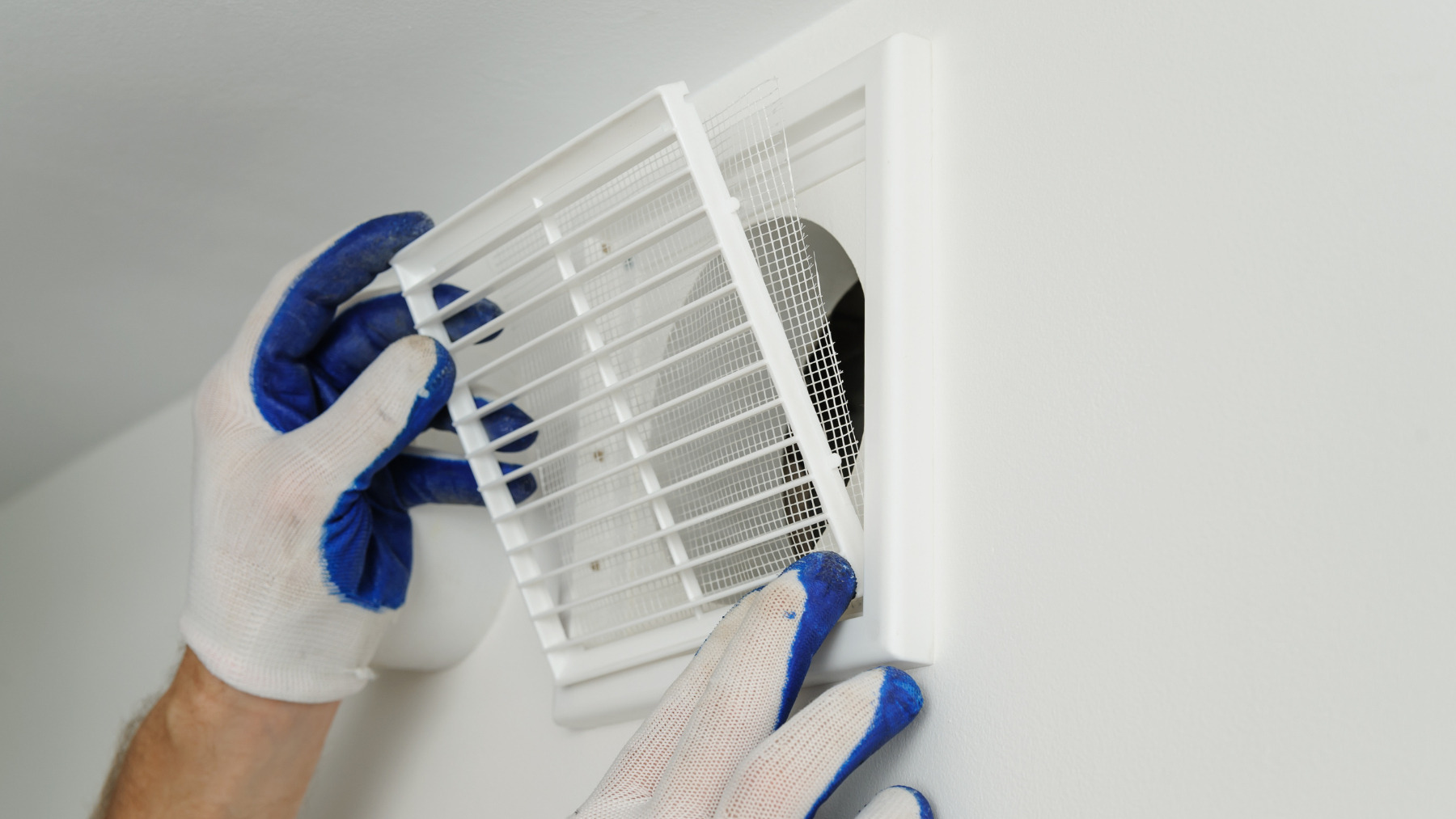
Heating season arrives, the thermostat goes up a few degrees, and the utility bill follows right behind it. For many homeowners, the quick fix seems obvious. Close the vents in that spare bedroom or storage room and push more warm air into the spaces you actually use.
The trouble is, HVAC specialists say this common trick rarely saves money and can quietly make things worse for both your system and your wallet.
Why closing vents backfires in modern homes
Older heating systems were sometimes more forgiving, so the idea that shutting vents helps is rooted in earlier technology. Modern forced air systems are different. They are designed to move a specific amount of air through the entire network of ducts and vents in your home.
When you manually shut a supply vent, you do not tell the furnace or air handler to produce less air. You simply give that air fewer ways out.
HVAC technician TJ Laury of Ben’s ProServ explains that closing vents creates extra resistance inside the ductwork so the blower has to push harder to move air through the remaining open vents. In his words, it feels like traffic trying to squeeze through one open lane when several lanes used to be available.
That added strain shows up in longer run times, more noise, and in many cases higher energy use instead of savings.
General manager Elizabeth Shavers of Oncourse Home Solutions adds that steady airflow and balanced distribution are central to efficient heating. When you cut one room off from the system, you upset that balance.
The rooms with closed vents often become pressure pockets that leak more air through gaps in walls and windows, while the equipment keeps working as if the whole home still needs to be conditioned.
What is happening inside your ducts
From the outside, a closed vent looks harmless. Inside the ducts, the story is different. Studies of residential HVAC performance show that restricting supply vents raises static pressure in the duct system. Higher pressure can
- Push more air out through existing duct leaks.
- Encourage new leaks to form at weak joints and seals.
- Reduce airflow on fixed speed blowers.
- Increase electricity use on variable speed blowers that ramp up to fight the restriction.
Over time, that extra stress can shorten the life of components like blower motors and, in older furnaces, even heat exchangers. In the worst cases, a damaged heat exchanger can allow combustion gases to mix with indoor air, which is the last thing you want on a cold night with the windows shut.
So instead of a clever energy hack, closing vents in unused rooms behaves more like putting a kink in a garden hose. The pressure builds, the flow gets messy, and nothing works quite the way it should.
The one big exception: HVAC zoning
There is an important nuance here. If your system was built for zoning, the rules change. Zoned HVAC divides the home into areas that have their own thermostats and use motorized dampers inside the ducts to open and close airflow in a controlled way.
The equipment, duct sizing, and controls are designed to handle those changes.
In that setup, shutting off heating to a guest suite or finished basement for part of the day can make sense. The key is that zoning is engineered into the system from the start or added by a professional who reassesses the ductwork and equipment. Simply flipping vent registers by hand is not the same thing.
Smarter ways to stay warm and spend less
If closing vents is off the table, what actually helps on those winter bills we all worry about when the statement arrives in the mail. Energy agencies and HVAC experts tend to agree on a handful of low-tech, high-impact steps
- Use a smart or programmable thermostat so the system automatically lowers the temperature when you are asleep or away and warms the house before you get back.
- According to the U.S. Department of Energy, turning the thermostat down by 7 to 10 degrees for about eight hours a day can trim heating and cooling costs by up to 10% a year.
- Improve insulation in attics, crawl spaces, and exterior walls so your furnace is not constantly reheating air that is slipping through the roof or siding.
- Seal obvious drafts around doors and windows with weatherstripping or caulk to keep that chilly air from sneaking in around your ankles.
- Change furnace filters every 30 to 90 days, more often if you have shedding pets, so airflow stays strong and clean
- Keep interior doors and vents open so warm air can circulate freely through the home
- Pair your heater with a humidifier during very dry weather so the air feels warmer at slightly lower thermostat settings.
Individually, each step might feel small. Together, they add up to real comfort and measurable savings, without putting hidden strain on the equipment that keeps your home livable in freezing weather.
So the next time you are tempted to shut the vent in that barely used room and hope for a smaller gas or electric bill, remember what is happening out of sight in the ducts.
At the end of the day, keeping airflow balanced, tightening up the building shell, and letting a smart thermostat do the heavy lifting are the paths that align with both engineering and your monthly statement.
The full article that inspired this coverage was published on The Spruce.