Tiny homes promise cozy minimalism, tiny utility bills, and the satisfaction of owning your space outright. For writer Amber McDaniel, five years in a roughly four-hundred-square-foot tiny house have revealed a different price tag. In her reporting for Business Insider she says that “what I save on utility bills I pay with a lost social life”.
Her experience speaks to a growing group of people who chase smaller, efficient homes in an era of high rent, climate worries, and stretched paychecks.
Tiny living, real people
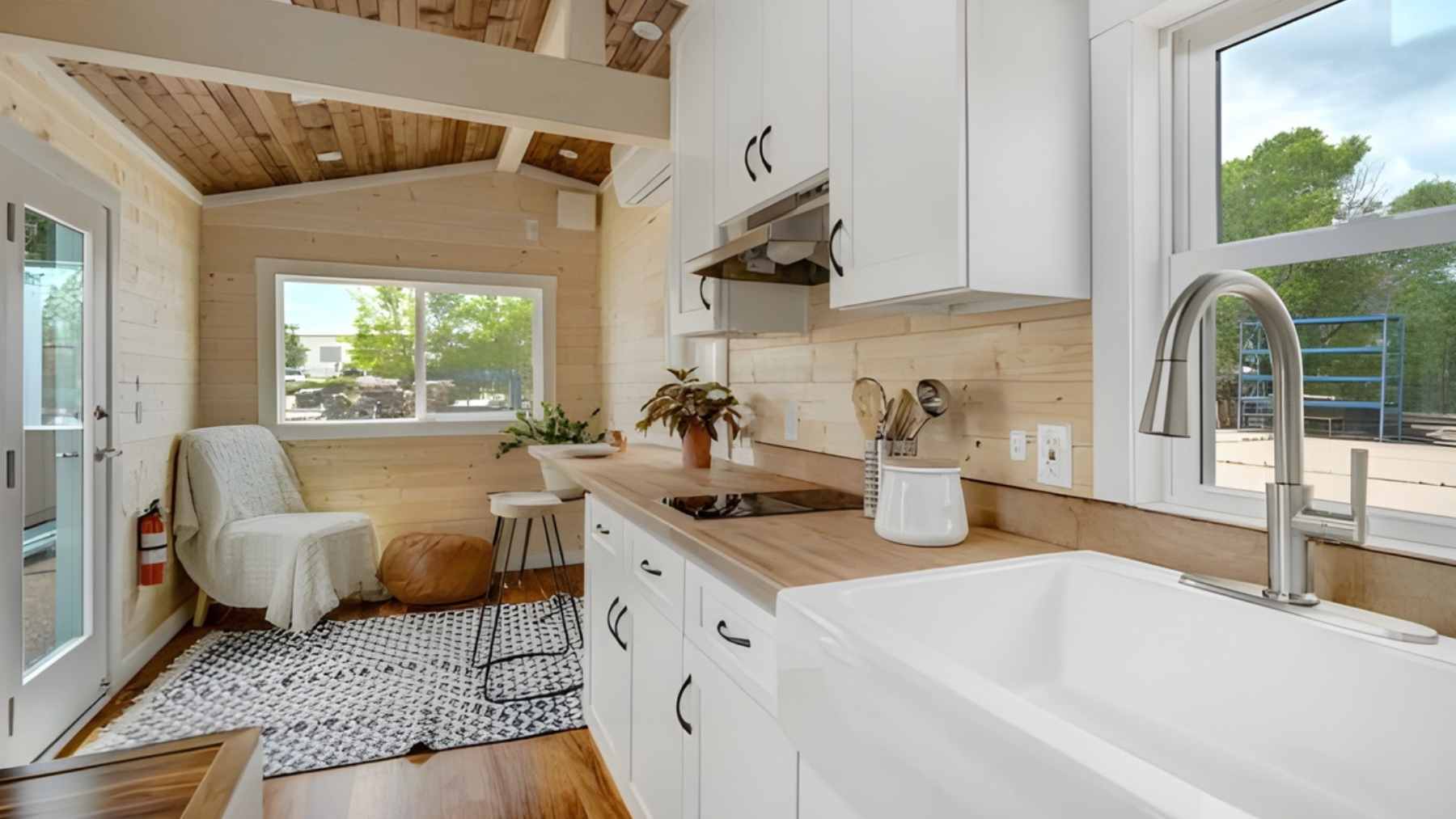
McDaniel and her partner share one open room where work, meals, sleep, and downtime all happen within a few steps. Constant togetherness can start to feel less like romance and more like a long staff meeting.
She says that when you share that little space all day and night, every habit feels louder. There is hardly any chance to cool off after an argument or simply close a door and breathe.
The home that cuts bills also cuts chairs. There is only room for a couple of seats and a small table, so hosting friends or relatives has become awkward. Visitors often stay away because they do not want to crowd the space.
Social life shifts to other people’s homes, so the couple are almost always guests. Over time that imbalance chips away at the sense that their tiny house is a gathering place instead of a place that truly holds their community.
A booming market with fine print
Stories like hers unfold while tiny houses move from fringe idea to mainstream option. One forecast puts the global tiny homes market at nearly $6 billion in 2024, with steady growth expected over the next decade as buyers look for cheaper, lower-impact housing.
In Germany, an analysis of the building portal Comobau found that small houses under forty square meters already made up roughly one quarter of building inquiries in 2022, an increase of about one third compared with the year before.
The price of entering that market is not always as low as social feeds suggest. German housing analysts describe starting prices around forty thousand euros for a basic tiny home, with total costs often climbing well beyond eighty thousand once land, permits, insulation, and utility hookups are included.
For many owners, the electric bill really does shrink, but paperwork, infrastructure, and surprise extras have a way of creeping up.
Legal hurdles and lifestyle limits
Even if you can afford the structure, local rules can be a bigger obstacle than square footage. Only some municipalities in Europe allow permanent residence in tiny houses, and many classify them in ways that trigger standard building codes.
Owners often need full construction permits and proper connections to water, sewage, and power. Those requirements add money and time and also limit where a tiny home can legally sit.
Then come the everyday tradeoffs. With no spare bedroom or big dining table, birthdays, holiday dinners, and casual game nights usually happen somewhere else. People like McDaniel describe relying on friends and relatives to provide space for gatherings.
That saves money on furniture and heating but also changes how rooted you feel. When your home cannot comfortably hold your community, it can start to feel like a retreat you visit between other people’s living rooms.
Questions to ask before going tiny
Advocates of tiny living are right about many benefits. Less square footage usually means lower energy use and fewer materials, which can shrink the climate footprint of a home.
Industry surveys suggest that many tiny home owners see real savings and value the push toward intentional buying and repair rather than constant replacement. For a lot of people, that new mindset is just as important as the number on the electric bill.
Still, stories like McDaniel’s are a reminder to count more than the mortgage and the monthly utilities. Before ordering a tiny home, it helps to ask where you will host family, how you will find privacy with a partner, and what the local rules actually allow.
At the end of the day, a tiny house can feel like freedom or like a beautiful box that keeps you close to the person you live with but a little farther from everyone else.
The full article was published by Business Insider.