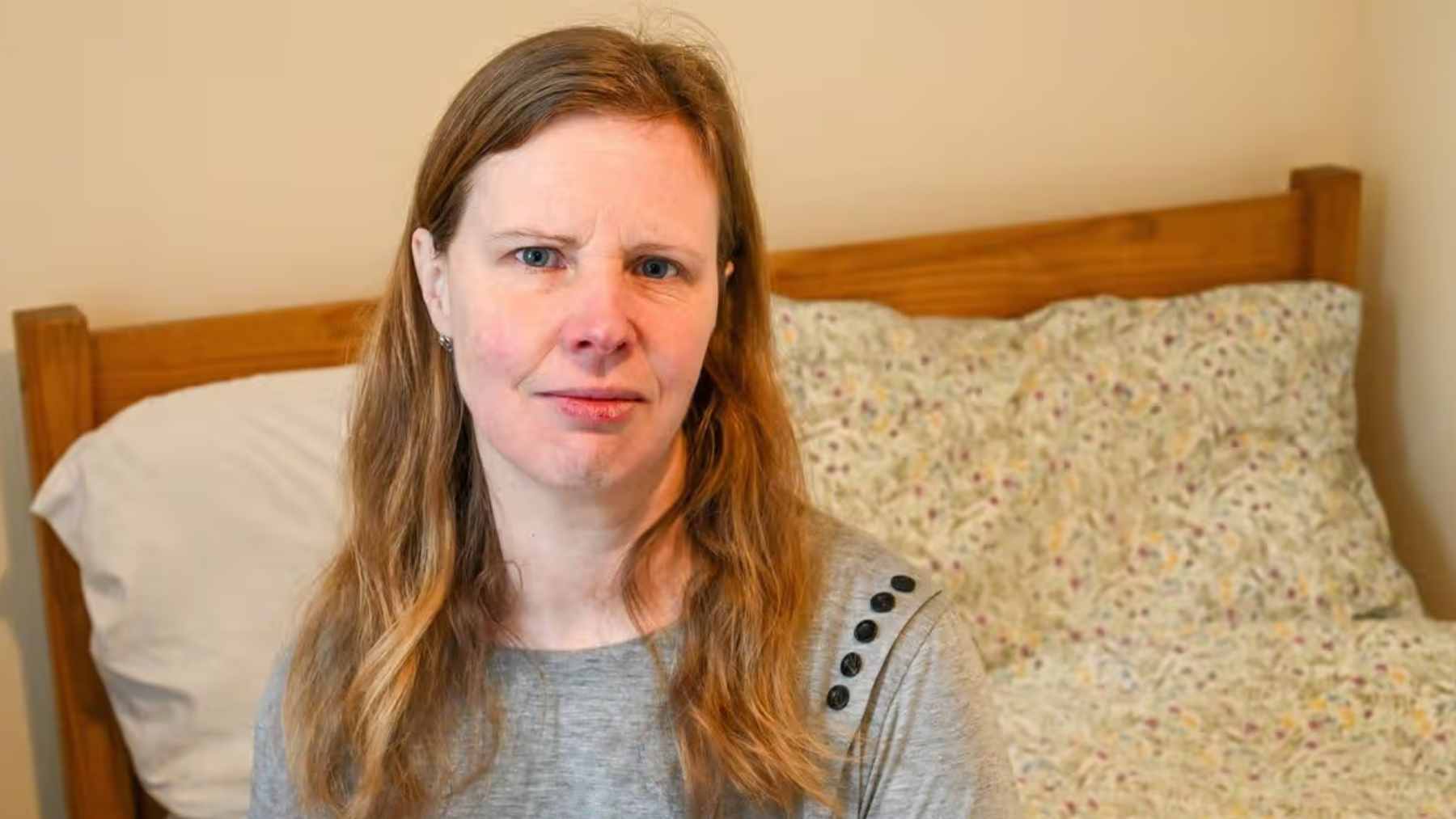
For two years, late night chats with supposed Hollywood names felt like a secret dream life. Then the dream ended with a 44-year-old mother in England sleeping in temporary housing and counting every pound left in her bank account.
Jennifer Barton says she lost about £250,000 to people posing online as actors and musicians, including Alexander Ludwig, Charlie Hunnam, Westlife singer Nicky Byrne and country artist Michael Ray.
The fraudsters contacted her through Facebook and Instagram, quickly pushed conversations onto Telegram and, piece by piece, persuaded her to send nearly everything she owned.
Her story is heartbreaking. It is also a textbook example of a growing kind of crime that blends romance scams with celebrity impersonation and ultra-private messaging apps.
How the “celebrity romance” hook works
According to interviews shared via SWNS and reported by outlets like The Tab, Barton first heard from a profile using Alexander Ludwig’s photos on Instagram. The chat started as casual flirting. Within weeks, the person claimed he needed help with legal bills and asked for a few thousand pounds.
Over time, the requests grew. She sent money by bank transfer and in bitcoin. When she saw real images of Ludwig with his wife online and challenged the account, the scammer brushed it off and told her not to believe what she saw on social media. That small line helped keep the illusion alive a little longer.
Later, another account insisted he was the “real” Ludwig and asked for more than £100,000, claiming he needed cash to “catch” the original fake. Then came new supposed celebrities, including a profile using Michael Ray’s images, promising love, charity help and a future together if she could just send one more transfer.
At the end of the day, each story had the same shape. Sudden attention, quick emotional bonding, a personal crisis and then a request for money.
Why scammers push victims onto Telegram
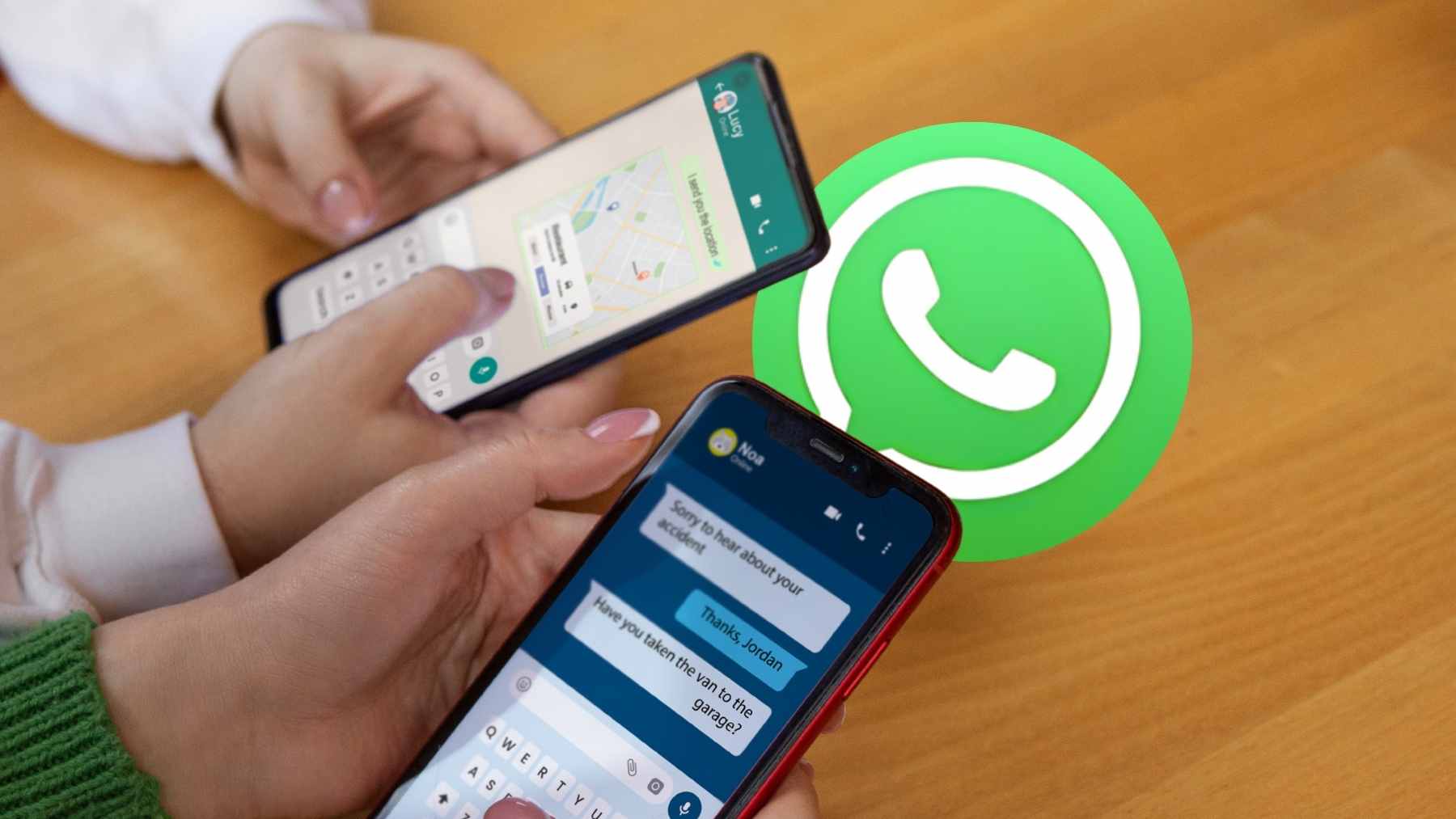
The fraudsters repeatedly encouraged Barton to move from public platforms to Telegram, describing it as more private and safer.
Fraud specialists at CEL Solicitors note that encrypted apps like Telegram are now a hotspot for all kinds of scams. Once a conversation moves there, victims lose the basic protections of dating sites or mainstream social networks, such as easy reporting tools and platform monitoring.
Guidance from the firm explains that criminals use Telegram to send links, documents and even crypto instructions, often tied to romance plots or fake investments.
That shift makes it harder for banks, platforms and even friends to spot what is going on, especially when a victim is hiding the relationship because it feels intimate and special.
In practical terms, the move to a private app is often the turning point. Once that happens, the chances of outside intervention drop sharply.
A personal tragedy in a much bigger crime wave
Romance fraud is no longer a niche problem. The National Fraud Intelligence Bureau, run by City of London Police, logged 8,792 reports of romance fraud in a single year, with victims losing more than £94.7 million and an average loss of about £10,774 per person.
A later review by the UK’s Financial Conduct Authority found that reports rose again in the 2024 to 2025 financial year, with losses exceeding £106 million.
Many victims sent money repeatedly over months, sometimes after taking out loans or selling major assets, and some individual cases topped £400,000.
Police forces are now warning specifically about fake celebrity profiles. Greater Manchester Police recently highlighted cases where scammers posed as TV actors and other well-known figures, moved conversations off platform and persuaded victims to send tens of thousands of pounds.
For people scrolling through social media after work or sitting alone with their phones at night, a direct message from a star can feel like lightning striking. That emotional jolt is exactly what criminals are banking on.
Red flags to watch for
Official guidance on romance fraud gives a pattern that fits Barton’s case to a large extent. Common warning signs include things such as
- An account claiming to be a celebrity, soldier or high-flying professional that contacts you first and wants to talk privately
- A quick shift to Telegram, WhatsApp or another encrypted app, often framed as a safety measure
- Reluctance to meet in person, endless excuses about travel, contracts or divorces, or video calls that never clearly show the person’s face
- Stories involving arrests, frozen bank accounts, legal fees or stolen wallets that suddenly make it “urgent” to send money or cryptocurrency
- Pressure not to tell friends, family or your bank about the relationship
Greater Manchester Police and the City of London Police repeatedly stress one simple rule. If someone you have never met in person asks for money, whatever the story, that is a serious red flag.
What happens after the money is gone
Barton has reported the fraud to police and is working with lawyers in an effort to recover some of her losses. She told reporters she is currently homeless, living in shared accommodation and that her children are staying with their father while she tries to rebuild.
Regulators say her situation is sadly familiar. In a sample of confirmed cases reviewed by the Financial Conduct Authority, some victims had sent hundreds of payments, drained savings, taken on new debt and ended up in formal debt arrangements after the scam collapsed.
Experts also warn that shame keeps many people quiet. That silence not only hides the true scale of the crime. It also makes the next victim easier to catch.
For anyone who finds themselves in a similar spiral, the advice from police and regulators is clear. Stop sending money, cut off contact, speak to your bank and report the fraud to the national system as soon as possible. Talking to a trusted friend or family member can be the first step out of the trap.
The official statement was published by the Financial Conduct Authority.